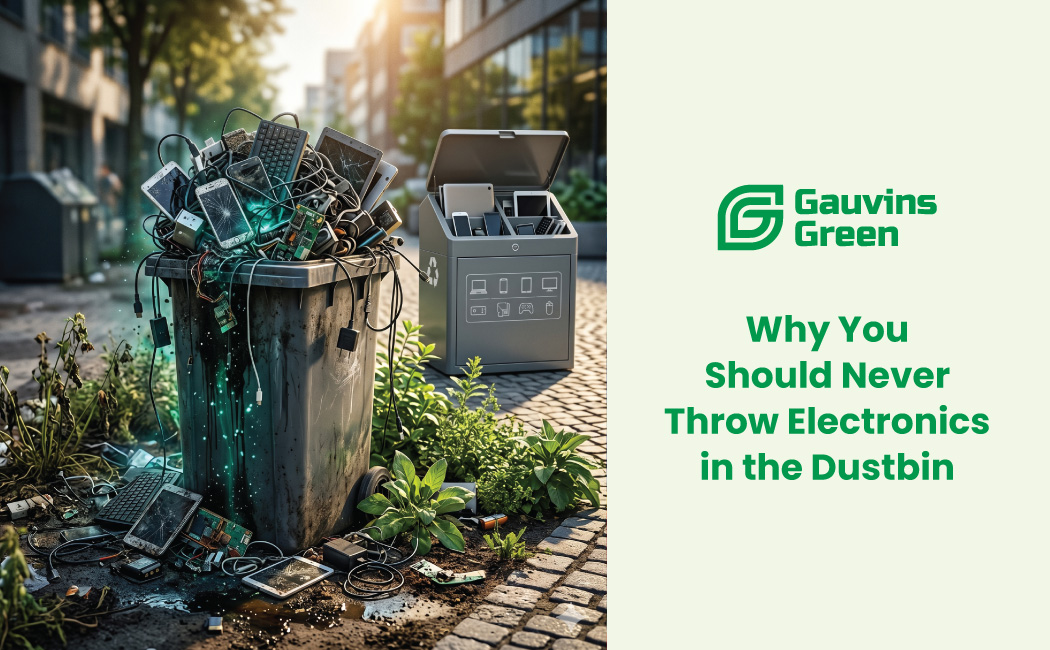

Every year, millions of electronic devices reach the end of their lives old phones, computers, televisions, and gadgets that no longer work or have been replaced by newer models. Most people don’t think about what happens to them afterward, but the truth is that how we handle this waste has a big impact on the planet. That’s where E-waste Recycling steps in. It’s not just about waste management; it’s about saving energy, protecting natural resources, and building a more sustainable world. In this blog, we’ll explore how e-waste recycling helps conserve energy, why it’s important, and how it connects to smarter e-waste management and electronic recycling practices.
What Makes E-Waste Recycling So Important?
Modern electronics are packed with valuable materials like gold, copper, aluminum, and rare earth elements. Producing these materials from scratch takes enormous amounts of energy. Mining, refining, and transporting raw materials all require fuel and power. However, e-waste recycling gives these materials a second life. When we recycle old electronics, we recover and reuse these metals instead of mining new ones. This process uses far less energy. For example, recycling aluminum saves up to 95% of the energy needed to make new aluminum from raw ore. That’s an incredible saving for both the environment and the economy. Through proper e-waste management, recycling becomes an energy-efficient solution that reduces emissions and helps fight climate change.
The Hidden Energy Cost of New Electronics
Think about the smartphone in your hand. From mining rare materials to assembling the final product, creating one phone consumes energy at every step. The production phase often accounts for 70% to 80% of the total energy footprint of an electronic device. When that phone becomes e-waste, tossing it away means all the energy used to produce it goes to waste too. On the other hand, e-waste recycling allows manufacturers to recover parts and materials that can be reused in new products, saving massive amounts of energy. That’s why experts consider electronic recycling a vital part of global sustainability goals. It’s not just about keeping devices out of landfills; it’s about keeping energy in circulation.
How E-Waste Recycling Saves Energy
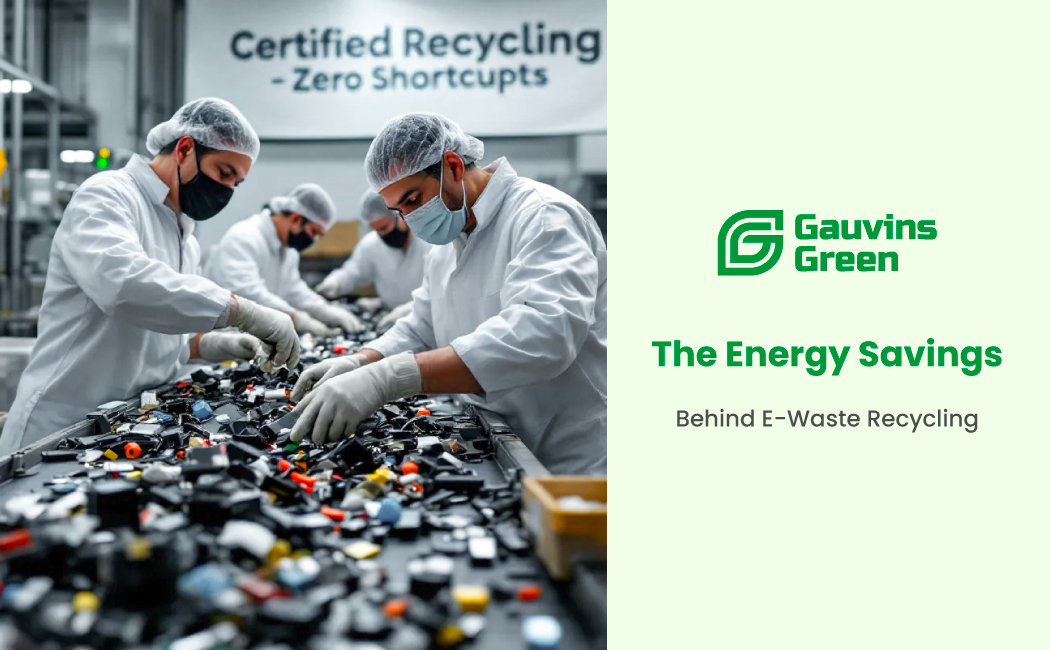
The energy savings behind E-waste Recycling come from multiple layers. Let’s break them down:
- Reduced Mining Operations – Mining is one of the most energy-intensive industries in the world. Recycling metals from old electronics requires far less fuel and electricity compared to extracting them from ore.
- Less Manufacturing Energy – Recycled materials can be directly used in new products without going through full refining processes, cutting down energy usage drastically.
- Lower Transportation Needs – Raw materials often travel across countries for processing. Recycling locally reduces transportation-related energy costs and emissions.
- Efficient Resource Use – With better e-waste management, companies can optimise how they process and reuse components, leading to even more savings.
In simple terms, e-waste recycling saves energy by replacing wasteful linear production cycles with smarter, circular systems.
The Role of Electronic Recycling in Sustainable Energy Use
Electronic recycling is about rethinking how we view waste. Instead of throwing away devices, we extract and reuse the materials inside them. This reduces the demand for new resources and minimises the energy used in production. Take copper, for example recycling it uses up to 85% less energy than producing new copper. Multiply that across millions of recycled devices, and the energy savings are staggering. The same applies to plastics and glass used in screens and casings. With improved e-waste management, these materials can be recovered and reprocessed without starting from scratch. The result is cleaner manufacturing cycles and a significant reduction in energy waste.
AI’s Role in Optimizing E-Waste Recycling
Artificial Intelligence is reshaping how e-waste recycling works. Smart systems can now sort and separate materials more efficiently, identify valuable parts, and even predict which components can be reused. AI-powered e-waste management systems track waste collection, monitor recycling performance, and optimise energy usage at every step. This reduces manual effort and improves accuracy.
Global Impact of Energy Savings from E-Waste Recycling
Globally, electronic waste is growing at an alarming rate. According to reports, the world generates over 50 million metric tonnes of e-waste each year, and only about 20% of it is recycled properly. That means billions of kilowatt-hours of potential energy savings are lost every year. By increasing e-waste recycling rates, we can save enough energy to power entire cities. For instance, recycling just one million laptops saves the energy equivalent of powering more than 3,500 homes for a year. These statistics show how effective electronic recycling can be in conserving energy and reducing carbon emissions. The more we recycle, the more we save—both energy and money.
How Businesses Can Contribute
Businesses generate large amounts of electronic waste, from old servers and computers to phones and batteries. Partnering with certified recyclers ensures responsible disposal while supporting corporate sustainability goals. By adopting e-waste management policies, companies can cut down on operational energy costs and demonstrate environmental leadership. Many organisations even gain tax benefits or sustainability credits for their recycling efforts. For growing professionals and businesses alike, e-waste recycling is more than a compliance measure. it’s a way to align profit with purpose.
Final Thoughts: Recycling Energy, Not Just Waste
At its core, e-waste recycling is about energy conservation. Every device recycled means less mining, less pollution, and less wasted energy. It’s one of the simplest yet most powerful ways to protect the planet. By adopting smarter e-waste management and embracing electronic recycling, individuals and businesses can help create a cleaner, more efficient future. The energy we save today becomes the foundation for a sustainable tomorrow. So, the next time you upgrade your phone or computer, remember recycling it the right way doesn’t just clear space; it saves energy, resources, and our planet.