
Every year, tons of electronic devices from smartphones and laptops to printers and televisions are replaced with newer models. But what happens to the old ones? Most end up as e-waste, one of the fastest-growing waste streams in the world. This is where E-waste Recycling steps in, not just as a method of waste disposal but as a key driver of the circular economy. It’s the smarter, sustainable way to turn old electronics into valuable resources again. In this blog, we’ll explore what makes E-waste Recycling so important, how it fuels the circular economy, and why it’s time for individuals and businesses to embrace smarter E Waste Management practices.
What Is the Circular Economy?
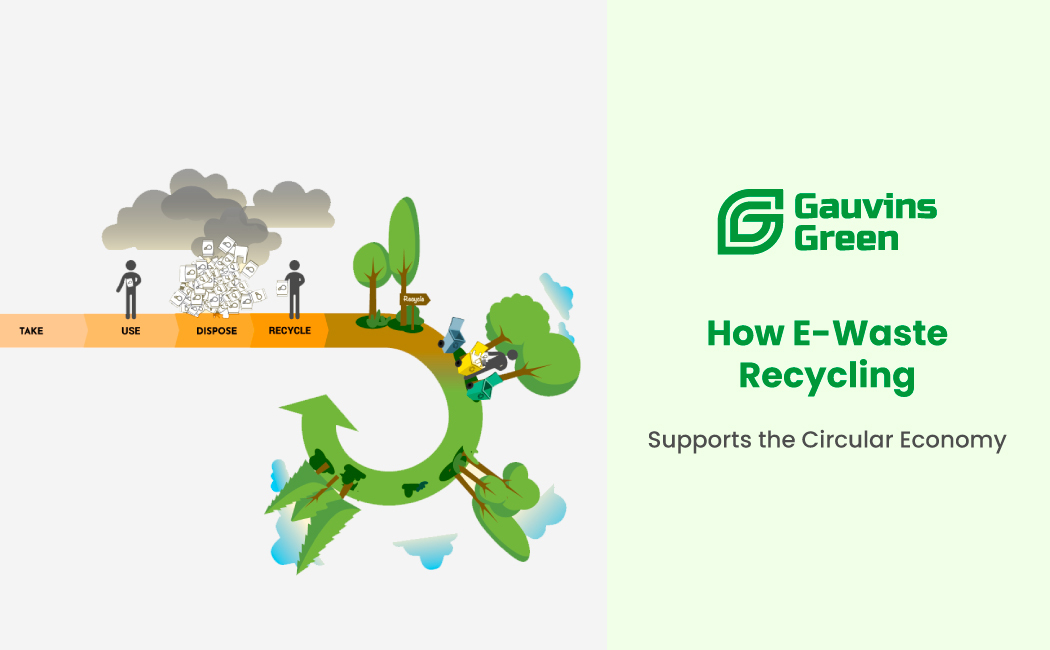
Before we dive into recycling, let’s first understand the circular economy. Unlike the traditional “take-make-dispose” model, the circular economy focuses on keeping products and materials in use for as long as possible. It’s about rethinking waste and seeing it not as trash, but as a resource that can be recovered, reused, or transformed. In this system, E-waste Recycling plays a vital role. Instead of letting old gadgets pile up in landfills, recycling helps recover metals, plastics, and components that can be reused to make new products. This approach saves energy, reduces pollution, and minimizes the demand for virgin materials, making the entire production cycle more sustainable.
Why E-Waste Recycling Matters More Than Ever
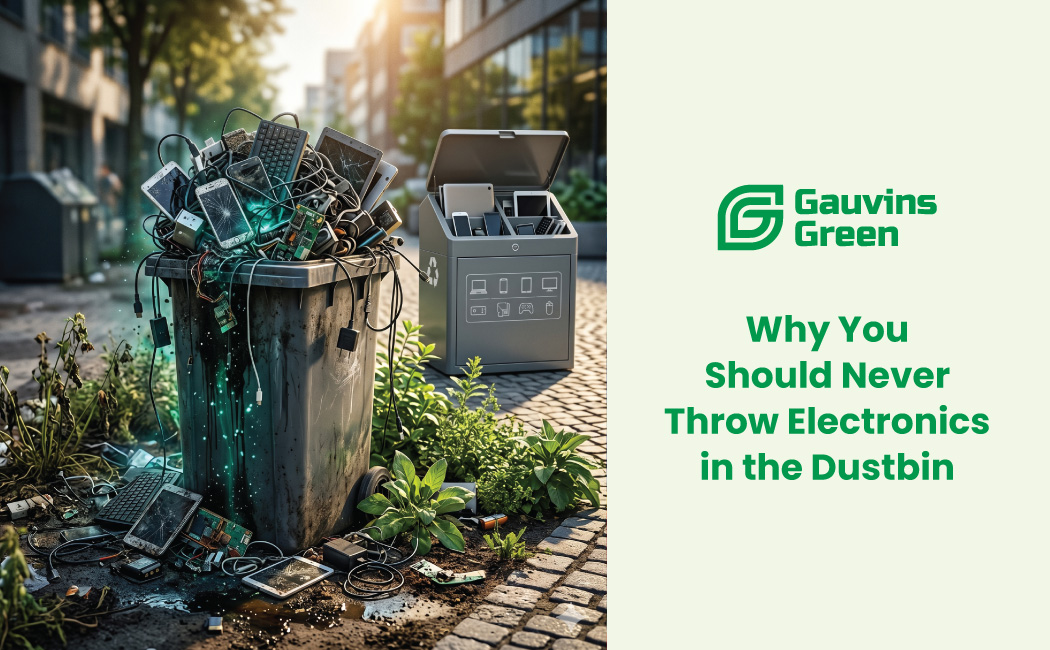
Electronic waste isn’t like regular garbage. It contains valuable elements such as copper, gold, and aluminum, but it also holds toxic substances like lead and mercury. If not handled properly, these can harm soil, water, and air quality. Through E-waste Recycling, we can separate harmful parts from reusable materials, keeping both the environment and communities safe. Recycling also means conserving resources. For instance, mining new metals consumes vast amounts of energy and water. By practicing Electronic Recycling, we recover materials that already exist, cutting down on extraction and reducing the carbon footprint. This balance of saving resources while reducing waste perfectly supports the circular economy’s goal of using smarter systems to create less impact and more value.
How E-Waste Recycling Fits into the Circular Economy
Think of the circular economy as a continuous loop where waste becomes the starting point for new production. E-waste Recycling closes the loop by ensuring that the materials in old electronics aren’t wasted. Here’s how it works step-by-step:
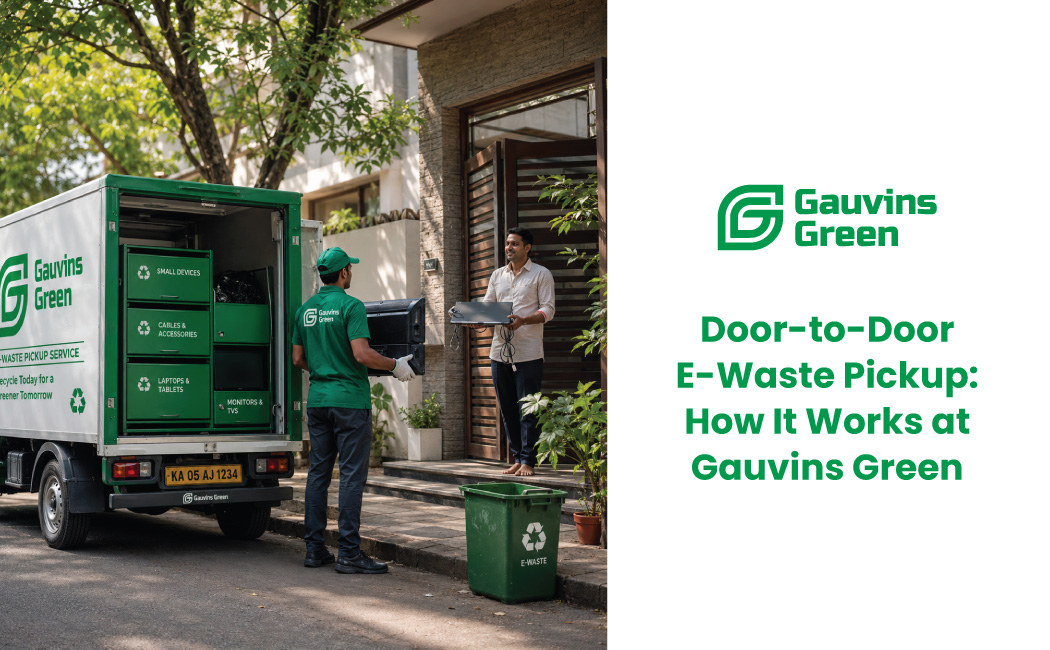
- Collection: E-waste is gathered from homes, offices, and businesses through drop-off centers or door-to-door collection.
- Sorting and Dismantling: Items are separated by type, such as laptops, phones, televisions, and broken down into parts.
- Material Recovery: Metals, plastics, and glass are extracted and cleaned for reuse.
- Recycling and Remanufacturing: These recovered materials are used to manufacture new devices, parts, or products.
- Re-entry into the Market: The recycled materials go back into circulation, reducing the need for virgin resources.
By following this model, E Waste Management ensures that products live multiple lifecycles instead of ending up in landfills after just one use.
Energy Efficiency Through E-Waste Recycling
One of the biggest environmental benefits of E-waste Recycling is energy conservation. Producing new metals from raw materials requires a lot of power, but recycling those same metals takes far less. For example, recycling aluminum saves up to 95% of the energy needed to produce it from raw ore. Similarly, recycling copper and steel significantly reduces energy consumption and emissions. When electronic devices are recycled, the saved energy contributes to cleaner production systems and a lower carbon footprint, strengthening the circular economy even further. Electronic Recycling is therefore not just waste reduction; it’s energy recovery in action.
E Waste Management and Business Responsibility
Businesses are major contributors to e-waste because of constant tech upgrades and equipment replacements. Adopting strong E Waste Management policies isn’t just good for the environment, it’s also a legal and ethical responsibility. Many governments now require companies to manage their electronic waste responsibly under EPR (Extended Producer Responsibility) regulations. By working with certified recyclers, companies can ensure proper disposal, data destruction, and recycling of old electronics. This not only helps them stay compliant but also boosts their sustainability image. As more businesses embrace E-waste Recycling, they actively support the circular economy by returning valuable materials back into production instead of sending them to landfills.
The Role Technology in E-Waste Recycling
Artificial Intelligence (AI) is reshaping how E-waste Recycling works. Smart sorting systems can now identify materials more accurately, improving recovery rates. Automation reduces manual labor and increases safety, while data analytics helps recyclers track volumes and efficiency. in the same way that AI helps you optimize a campaign, it also optimizes Electronic Recycling, making the process faster, cleaner, and more resource-efficient.
How Individuals Can Support the Circular Economy
You don’t have to be a large corporation to make an impact. Each individual plays a part in E Waste Management. Here’s how you can contribute:
- Avoid throwing electronics in the trash.
- Use certified collection points or recycling services.
- Repair or donate devices that still work.
- Choose brands that support E-waste Recycling initiatives.
Small steps like these ensure your devices don’t end up harming the environment but instead fuel the cycle of reuse and regeneration.
Final Thoughts: Closing the Loop with Responsible Recycling
At its heart, the circular economy is about balance, using resources wisely and designing waste out of the system. E-waste Recycling makes this possible by turning discarded electronics into reusable materials. Every phone, computer, or appliance recycled brings us closer to a world where nothing goes to waste. For individuals, it’s about responsibility. For businesses, it’s about sustainability and compliance. For the planet, it’s about survival. When we invest in E Waste Management and Electronic Recycling, we’re not just managing waste, we’re creating value, conserving energy, and supporting a cleaner, circular future.