
E-waste recycling transforms discarded electronics into valuable resources by recovering reusable materials such as metals and plastics. Through effective e-waste management, pollution is reduced, natural resources are conserved, and landfill waste is minimised. Proper recycling practices help create a cleaner environment and support a sustainable future.
Technology has become a major part of everyday life, but the rapid use of electronic devices has also increased the amount of discarded electronics. Old computers, mobile phones, printers, and appliances are often treated as useless waste. However, with proper e-waste recycling, these discarded devices can become valuable resources instead of environmental hazards.
Responsible recycling helps recover useful materials while reducing pollution and landfill waste. Through effective e-waste management, electronic waste can support sustainability and contribute to a cleaner future.
Understanding the Growing Problem of Electronic Waste
Electronic waste, also known as e-waste, includes discarded electronic devices that are no longer useful or functional. As technology upgrades happen more frequently, the amount of electronic waste generated worldwide continues to rise.
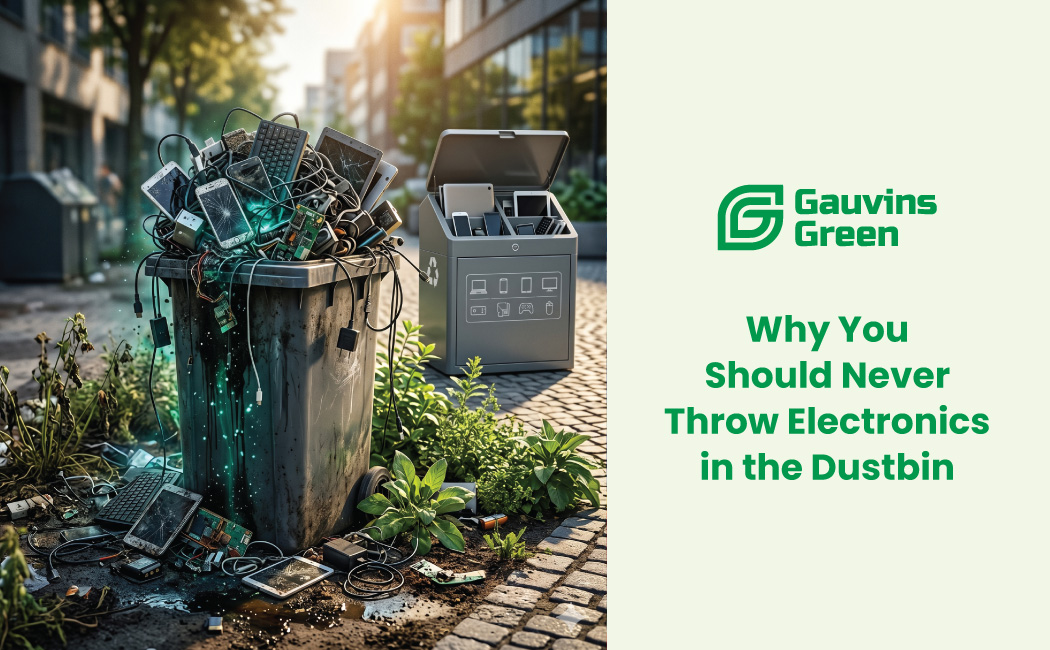
Without proper e-waste recycling, electronic waste often ends up in landfills where toxic materials can pollute the environment. This makes structured e-waste management essential for protecting natural resources and reducing environmental damage.
How E-Waste Recycling Works
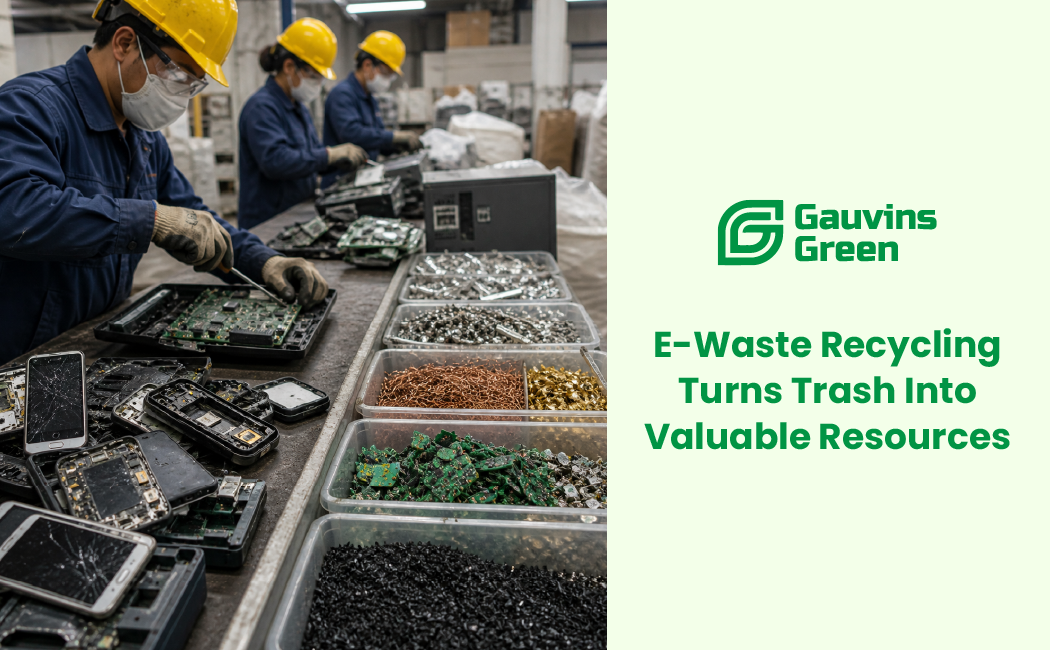
The process of e-waste recycling involves collecting, sorting, dismantling, and processing electronic devices safely. Recycling facilities separate materials such as metals, plastics, and glass for reuse in manufacturing new products.
Through proper e-waste management, hazardous substances are safely treated while reusable resources are recovered. This process ensures that waste is transformed into useful materials rather than becoming a source of pollution.
Valuable Materials Hidden Inside Electronic Waste
Many electronic devices contain valuable materials such as copper, aluminium, gold, silver, and recyclable plastics. These materials can be extracted and reused through professional e-waste recycling methods.
Recovering these resources helps reduce the demand for mining and raw material extraction. Effective e-waste management supports a circular economy where materials remain in use for longer periods instead of being wasted.
Environmental Benefits of E-Waste Recycling
One of the biggest advantages of e-waste recycling is its positive impact on the environment. Recycling prevents harmful chemicals from entering soil, air, and water systems.
At the same time, proper e-waste management reduces landfill waste and lowers greenhouse gas emissions by minimizing the need for raw material production. This makes recycling an important step toward environmental sustainability.
Minimising Economic and Business Advantages of Recycling
Beyond environmental benefits, e-waste recycling also creates economic opportunities. Recycling industries generate employment and support sustainable business practices.
Businesses that follow responsible e-waste management practices can improve their brand image, ensure regulatory compliance, and contribute to environmental responsibility. Recycling electronic waste also helps companies recover value from outdated equipment.
Building a Sustainable Future Through E-Waste Recycling
The future of sustainability depends on how effectively we manage waste today. Through proper E-Waste Recycling, old electronics can be transformed into reusable materials that support manufacturing and reduce environmental strain.
Strong e-waste management systems encourage responsible disposal practices and create awareness about sustainability. Every recycled device contributes to a greener and cleaner future.
Electronic waste should never be seen as useless trash. With proper e-waste recycling, discarded electronics can become valuable resources that support sustainability, conserve materials, and reduce pollution.
By improving e-waste management practices, individuals and businesses can play a major role in protecting the environment while turning waste into opportunity. Responsible recycling is a smart step toward a more sustainable future.
FAQs
What is E-Waste Recycling?
E-waste recycling is the process of collecting and recycling electronic devices to recover valuable materials and reduce environmental harm.
Why is e-waste management important?
E-waste management helps control pollution, conserve resources, and ensure safe disposal of electronic waste.
What valuable materials are found in electronic waste?
Electronic waste contains materials like copper, aluminium, gold, silver, and recyclable plastics.
How does e-waste recycling help the environment?
E-waste recycling reduces pollution, lowers landfill waste, and conserves natural resources.