
Proper E-Waste Management plays a vital role in reducing pollution caused by discarded electronic devices. Through effective e-waste recycling, hazardous materials are safely managed while valuable resources are recovered and reused. Responsible handling of electronic waste helps protect air, water, and soil from contamination while supporting sustainability and environmental conservation.
As technology continues to grow, the number of discarded electronic devices is increasing rapidly. Old computers, smartphones, printers, and other gadgets are becoming a major source of waste across homes and businesses. Without proper handling, this electronic waste can seriously harm the environment. This is why E-Waste Management has become essential for building a cleaner and healthier future.
Proper e-waste recycling ensures that harmful materials are safely treated while valuable resources are recovered for reuse. By adopting responsible waste practices.
What Is E-Waste and Why Is It Harmful?
Electronic waste, commonly known as e-waste, includes discarded electronic devices such as laptops, televisions, mobile phones, and office equipment. These devices often contain hazardous substances like lead, mercury, cadmium, and toxic chemicals.
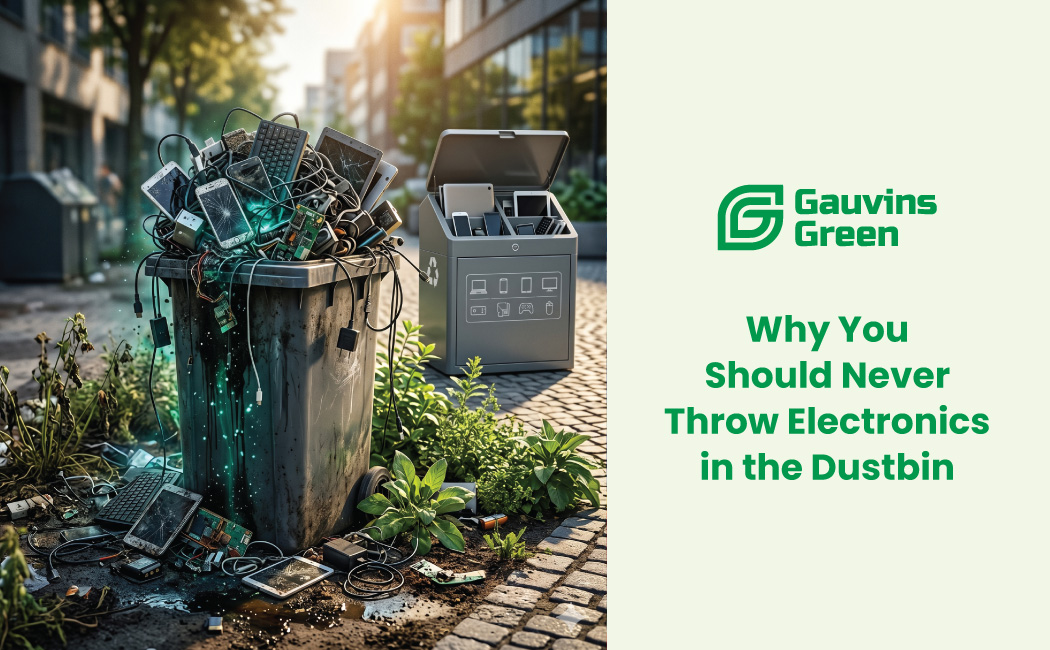
If electronic waste is dumped in landfills or burned improperly, these harmful substances can contaminate air, water, and soil. This is why proper E-Waste Management and structured e-waste recycling are necessary to prevent long-term environmental damage.
The Connection Between E-Waste and Pollution
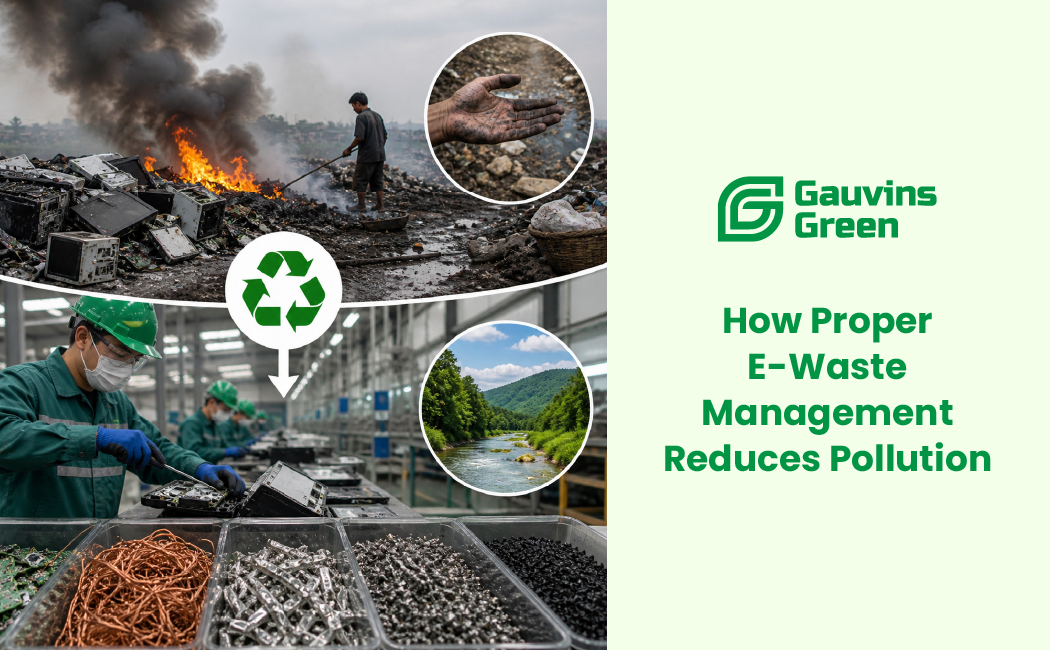
Improper disposal of electronic waste is one of the major causes of environmental pollution. When devices break down in landfills, toxic chemicals seep into the ground and affect water supplies. Burning electronic waste releases dangerous fumes that contribute to air pollution.
Through responsible E-Waste Management, these risks can be minimised. Safe handling and professional e-waste recycling processes ensure that hazardous materials are controlled and disposed of according to environmental standards.
How E-Waste Recycling Helps Reduce Pollution
One of the most effective ways to reduce pollution is through proper e-waste recycling. Recycling facilities separate reusable materials such as metals, plastics, and glass from electronic devices. This prevents waste from ending up in landfills.
At the same time, E-Waste Management helps reduce the need for raw material extraction. Recovering valuable materials through recycling lowers industrial pollution and decreases energy consumption, making the entire process environmentally beneficial.
Conserving Resources Through Responsible E-Waste Management
Electronic devices contain valuable materials like copper, aluminium, gold, and plastic that can be reused in manufacturing. Without proper E-Waste Management, these resources are wasted.
By supporting e-waste recycling, industries can recover and reuse these materials instead of relying on mining and raw material extraction. This not only conserves resources but also reduces pollution caused by manufacturing and industrial processes.
The Role of Businesses and Individuals in Reducing Pollution
Reducing pollution through E-Waste Management is a shared responsibility. Businesses generate large amounts of electronic waste through outdated IT equipment and office electronics, while households also contribute through unused gadgets and appliances.
By adopting proper e-waste recycling practices, both businesses and individuals can make a positive environmental impact. Choosing certified recycling services ensures that electronic waste is handled safely and responsibly.
Building a Cleaner Future with E-Waste Management
The future of environmental sustainability depends on how we manage waste today. Effective E-Waste Management helps reduce pollution, conserve resources, and support a cleaner ecosystem.
With increasing awareness and better e-waste recycling systems, communities and organizations can work together to create a greener future. Every electronic device recycled responsibly is a step toward reducing environmental damage and protecting future generations
Electronic waste is a growing challenge, but proper E-Waste Management provides a sustainable solution. Through structured e-waste recycling, harmful materials are controlled, valuable resources are recovered, and pollution is significantly reduced.
By making responsible recycling choices, individuals and businesses can contribute to a cleaner environment and a healthier planet. Reducing pollution starts with managing electronic waste the right way.
FAQs
What is E-Waste Management?
E-Waste Management is the process of collecting, recycling, and safely disposing of electronic waste to reduce environmental harm.
How does e-waste recycling reduce pollution?
E-waste recycling prevents toxic materials from contaminating air, soil, and water by safely processing electronic waste.
Why is electronic waste harmful to the environment?
Electronic waste contains hazardous substances that can cause pollution if disposed of improperly.
Can businesses benefit from E-Waste Management?
Yes, businesses can improve sustainability, ensure compliance, and reduce environmental impact through proper E-Waste Management.
What materials can be recovered through e-waste recycling?
Materials such as copper, aluminum, plastics, and precious metals can be recovered through e-waste recycling.