
Reduce e-waste is essential for protecting the environment and conserving valuable natural resources. Simple habits like repairing electronics, donating unused devices, using rechargeable batteries, and supporting responsible e-waste recycling. Electronic devices have become a necessary part of modern living. From smartphones and laptops to kitchen appliances and smart gadgets, technology makes daily tasks easier and more convenient. However, the increasing use of electronics has also created a major environmental challenge: electronic waste. Millions of devices are discarded every year, leading to pollution and resource loss. This is why learning how to reduce e-waste is becoming more important for every household and business.
Responsible consumption and proper e-waste recycling can help protect the environment and conserve valuable resources. By making small lifestyle changes, people can contribute to better e-waste management and support a cleaner, greener future.
Understanding the Growing E-Waste Problem
E-waste includes old, broken, or unused electronic devices such as mobile phones, computers, chargers, televisions, and batteries. Many of these products contain toxic materials that can harm the environment if they are not disposed of properly.
At the same time, electronic products also contain valuable metals and reusable materials. Proper e-waste recycling helps recover these resources while reducing environmental damage. As the number of electronic devices increases globally, the need to reduce e-waste has become more urgent than ever.
Buy Electronics Only When Necessary
One of the easiest ways to reduce e-waste is to avoid unnecessary purchases. Many people replace devices simply because newer models are released, even when their current products still work properly.
Before buying a new gadget, consider whether the upgrade is truly needed. Using devices for a longer period reduces waste generation and supports sustainable e-waste managment practices.
Choose Durable and High-Quality Products
Low-quality electronics often stop working quickly and end up being discarded sooner. Investing in durable and reliable products can significantly help reduce e-waste in daily life.
Choose trusted brands that offer warranties, repair services, and long-lasting performance. Durable electronics not only save money in the long run but also reduce the environmental impact caused by frequent replacements.
Repair Instead of Replacing
Many electronic devices can be repaired easily instead of being thrown away. A damaged battery, broken screen, or faulty charging port does not always mean the entire device must be replaced.
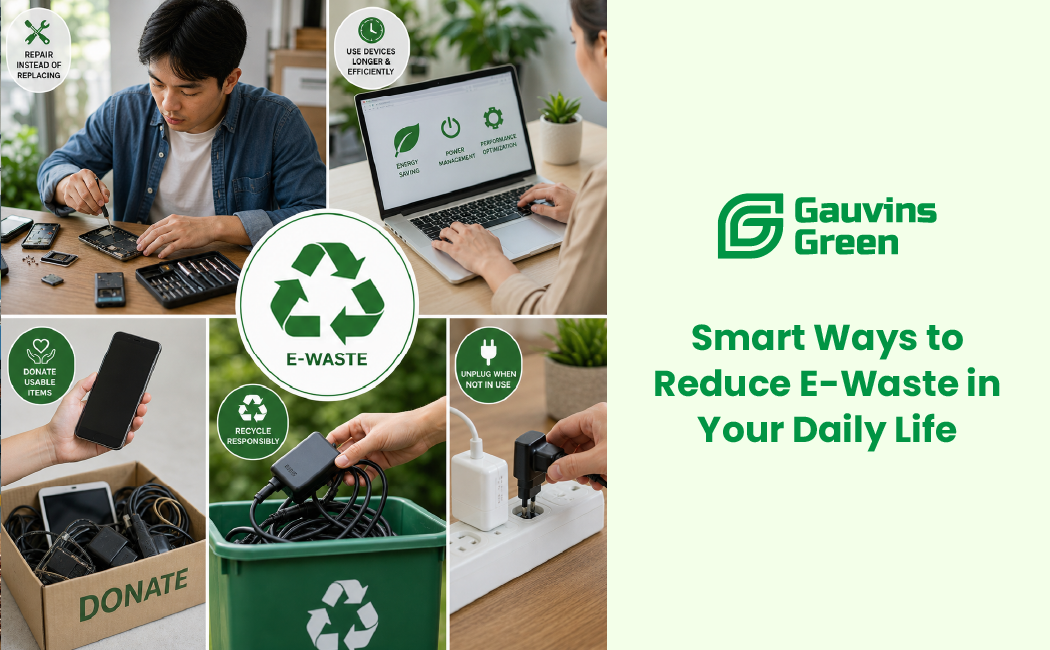
Repairing products extends their lifespan and reduces unnecessary waste. Supporting repair culture is an important step toward better e-waste management and sustainable living.
Donate or Resell Old Electronics
Unused electronics that are still functional can be donated or sold instead of being discarded. Schools, charities, and low-income communities can benefit from second-hand electronic devices.
Donating or reselling products keeps electronics in use for a longer time and helps reduce e-waste generation. It also supports a circular economy where products are reused instead of wasted.
Recycle Electronic Waste Responsibly
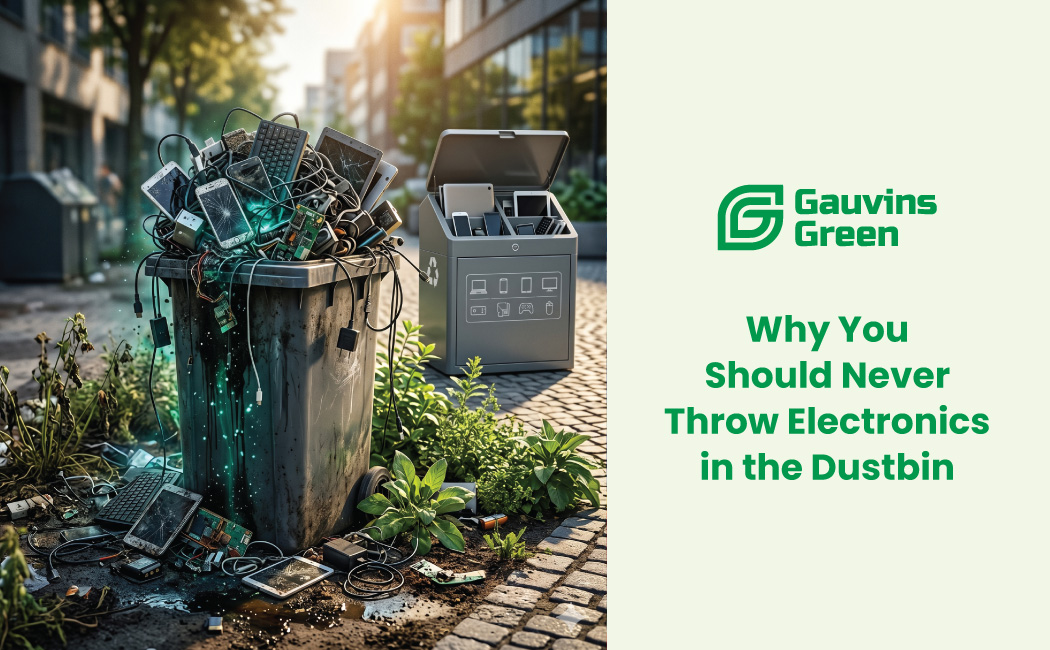
When electronic products can no longer be repaired or reused, proper e-waste recycling becomes essential. Throwing electronics into regular trash bins can lead to environmental pollution because of hazardous materials.
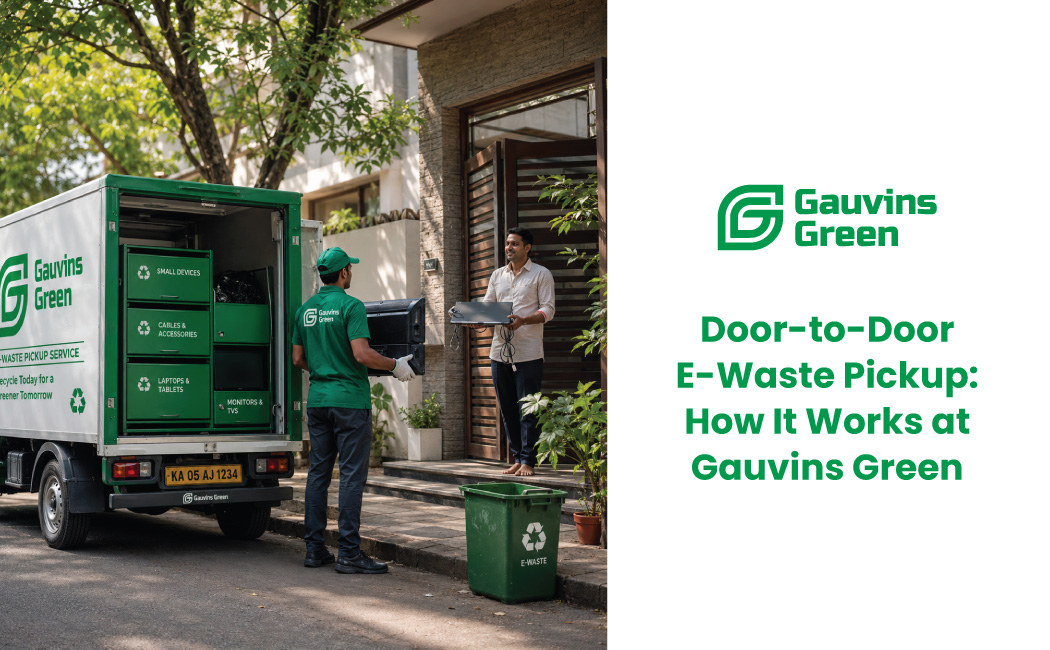
Always use authorised recycling centres or certified recyclers for safe disposal. Responsible e-waste recycling ensures that harmful substances are managed properly while valuable materials are recovered and reused.
Avoid Hoarding Old Devices
Many households store old phones, chargers, cables, and electronic accessories that are no longer in use. These unused devices often remain forgotten for years.
Instead of keeping unnecessary electronics, consider donating, selling, or recycling them. Clearing out unused gadgets supports better e-waste management and prevents future waste accumulation.
Use Rechargeable Batteries
Disposable batteries contribute heavily to electronic waste and environmental pollution. Switching to rechargeable batteries is a smart way to reduce e-waste while saving money over time.
Rechargeable batteries last longer and reduce the number of batteries discarded into landfills. Proper battery recycling also helps protect soil and water from harmful chemicals.
Support Sustainable Brands
Many companies are now focusing on eco-friendly manufacturing and recycling programs. Supporting brands that promote sustainability encourages responsible production practices.
Look for companies that offer recycling take-back programmes, repair services, and environmentally friendly packaging. Consumer choices can play a major role in improving global e-waste management systems.
Spread Awareness About E-Waste
Education and awareness are important for solving the growing electronic waste problem. Many people are still unaware of the environmental impact caused by improper disposal of electronics.
Sharing information about e-waste recycling and sustainable habits can encourage more people to take action. Schools, businesses, and communities can work together to promote responsible waste management practices.
Reducing electronic waste starts with small but meaningful actions in everyday life. Choosing durable products, repairing devices, donating old electronics, and supporting responsible e-waste recycling can make a significant difference.
As technology continues to grow, proper e-waste management is essential for protecting the environment and conserving valuable resources. By adopting smarter habits today, individuals and businesses can help create a cleaner and more sustainable future for generations to come.
FAQs
What does reduce e-waste mean?
It means minimising the amount of electronic waste generated by reusing, repairing, recycling, and responsibly managing electronic devices.
Why is e-waste harmful to the environment?
E-waste contains toxic chemicals and heavy metals that can pollute air, water, and soil if disposed of improperly.
How can I reduce e-waste at home?
You can reduce e-waste by repairing devices, buying durable products, donating old electronics, and using proper recycling methods.
What is the importance of e-waste recycling?
E-waste recycling helps recover valuable materials, reduces pollution, conserves resources, and supports environmental sustainability.
How does proper e-waste management help society?
Proper management protects public health, reduces environmental damage, and promotes responsible use of electronic resources.