
|
Getting your Trinity Audio player ready...
|
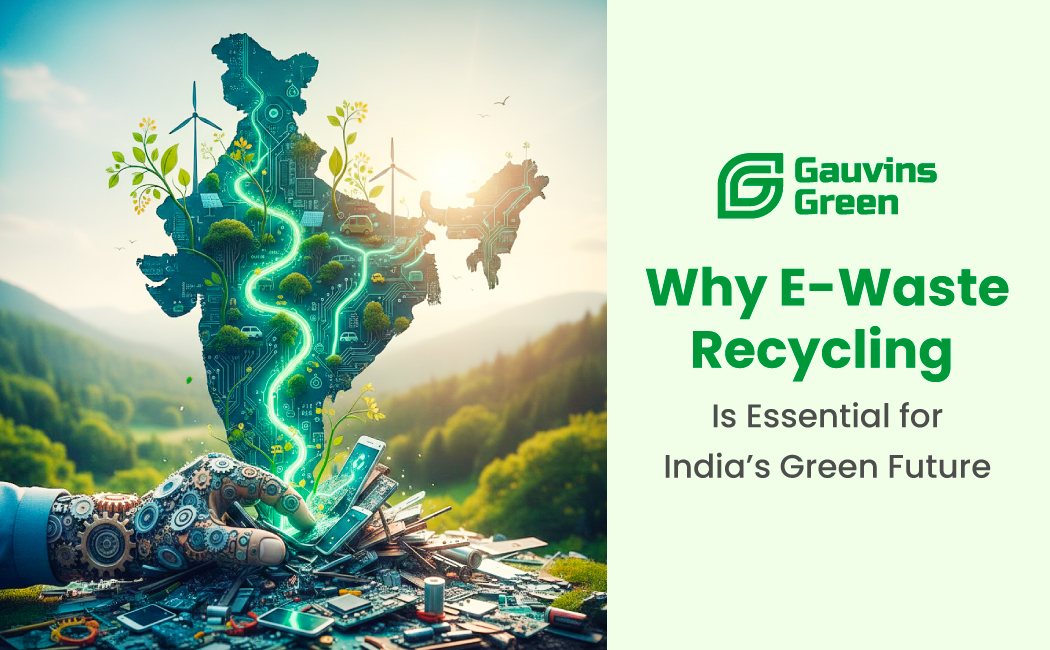
India is witnessing rapid growth in technology adoption across households, businesses, and industries. While this progress has improved efficiency and connectivity, it has also resulted in a sharp rise in discarded electronic devices. This growing volume of e-waste presents serious environmental, health, and economic challenges. Addressing these concerns through structured e-waste recycling and effective e-waste management is essential for securing India’s green and sustainable future.
Table of Contents
ToggleThe Rising Challenge of E-Waste in India
India is among the fastest-growing generators of electronic waste globally. Smartphones, laptops, televisions, office equipment, and household appliances are replaced at a rapid pace, creating large quantities of e-waste every year. Unfortunately, a significant portion of this waste is either dumped in landfills or handled by informal recyclers, leading to unsafe processing methods.
Without proper electronic waste management, toxic substances such as lead, mercury, cadmium, and flame retardants can leak into soil and water sources. These pollutants pose long-term risks to ecosystems and human health, making regulated e-waste recycling a national priority.
Environmental Benefits of E-Waste Recycling
One of the most important advantages of e-waste recycling is environmental protection. Electronic devices contain hazardous materials that can cause air, water, and soil pollution when disposed of incorrectly. Certified recycling facilities ensure that these substances are handled safely and disposed of in compliance with environmental standards.
In addition, recycling allows valuable materials such as copper, aluminum, steel, and precious metals to be recovered and reused. This reduces the need for mining raw materials, lowers energy consumption, and cuts carbon emissions. Effective e-waste management directly supports India’s environmental goals and climate commitments.
Resource Conservation and Circular Economy Support
Electronic products are built using finite natural resources. Through e-waste recycling, these resources are recovered and reintroduced into manufacturing cycles. This process supports a circular economy, where materials remain in use for as long as possible instead of becoming landfill waste.
Strong electronic waste management systems help conserve minerals, reduce dependency on imports, and promote responsible production and consumption. For a country like India, where demand for electronic goods continues to rise, resource recovery through recycling is both an environmental and economic necessity.
Health and Safety Considerations
Improper handling of e-waste exposes workers and communities to dangerous chemicals and toxic fumes. Informal recycling methods such as open burning or acid leaching cause severe health issues, including respiratory problems and neurological damage.
Organised e-waste management ensures that waste is processed in controlled environments with safety protocols, protective equipment, and regulated procedures. By promoting formal e-waste recycling, India can significantly reduce health risks and improve working conditions across the recycling sector.
Economic and Employment Opportunities
The e-waste recycling sector has the potential to generate skilled employment while contributing to economic growth. Formal recycling facilities require trained technicians, logistics professionals, and compliance experts. As electronic waste management systems expand, they create new business opportunities and support green jobs.
At the same time, material recovery lowers manufacturing costs by providing recycled inputs. This makes industries more resource-efficient and competitive, reinforcing the economic value of structured e-waste management.
Regulatory Compliance and Corporate Responsibility
India has implemented specific rules and guidelines for electronic waste management, including Extended Producer Responsibility (EPR). These regulations require manufacturers, importers, and bulk consumers to ensure proper recycling of end-of-life electronic products.
Professional e-waste recycling services help businesses meet compliance requirements while maintaining transparency and accountability. Responsible disposal also strengthens corporate sustainability efforts and enhances brand credibility in an increasingly eco-conscious market.
The Way Forward for India’s Green Future
For India to achieve long-term sustainability, e-waste recycling must become a widely adopted practice among individuals, businesses, and institutions. Public awareness, accessible recycling services, and strong enforcement of e-waste management regulations are key to driving change.
By choosing certified recycling channels and supporting organized electronic waste management, India can reduce pollution, protect public health, conserve natural resources, and move closer to a greener future.
Frequently Asked Questions (FAQs)
1. What is e-waste recycling?
E-waste recycling is the process of collecting, dismantling, and treating discarded electronic devices so that harmful substances are safely managed and valuable materials are recovered for reuse
2. Why is e-waste recycling important for India?
India generates large volumes of electronic waste every year. Proper e-waste recycling helps reduce pollution, prevents health risks, conserves natural resources, and supports sustainable growth.
3. What happens if e-waste is not managed properly?
Improper e-waste management can lead to soil, water, and air pollution. Toxic materials such as lead and mercury may enter the environment, causing long-term damage to ecosystems and human health.
4. How does e-waste management support a green future?
Effective e-waste management ensures safe disposal of hazardous materials, promotes recycling of valuable resources, and reduces the need for raw material extraction, helping lower carbon emissions.
5. What types of electronics are considered e-waste?
E-waste includes mobile phones, laptops, computers, televisions, printers, routers, batteries, household appliances, and other electronic or electrical devices.
6. Can e-waste recycling help conserve natural resources?
Yes. E-waste recycling recovers metals like copper, aluminum, and precious elements, reducing dependence on mining and conserving finite natural resources.