
|
Getting your Trinity Audio player ready...
|
Every electronic device has a beginning and an end. From manufacturing to daily use, gadgets become part of our lives, but eventually, they stop working or become outdated. What happens next is a process many people never think about. The journey from discarded electronics to recycled materials is known as e-waste recycling, and understanding it is essential for building a cleaner and more sustainable world.
Table of Contents
ToggleWhat Is the E-Waste Lifecycle?
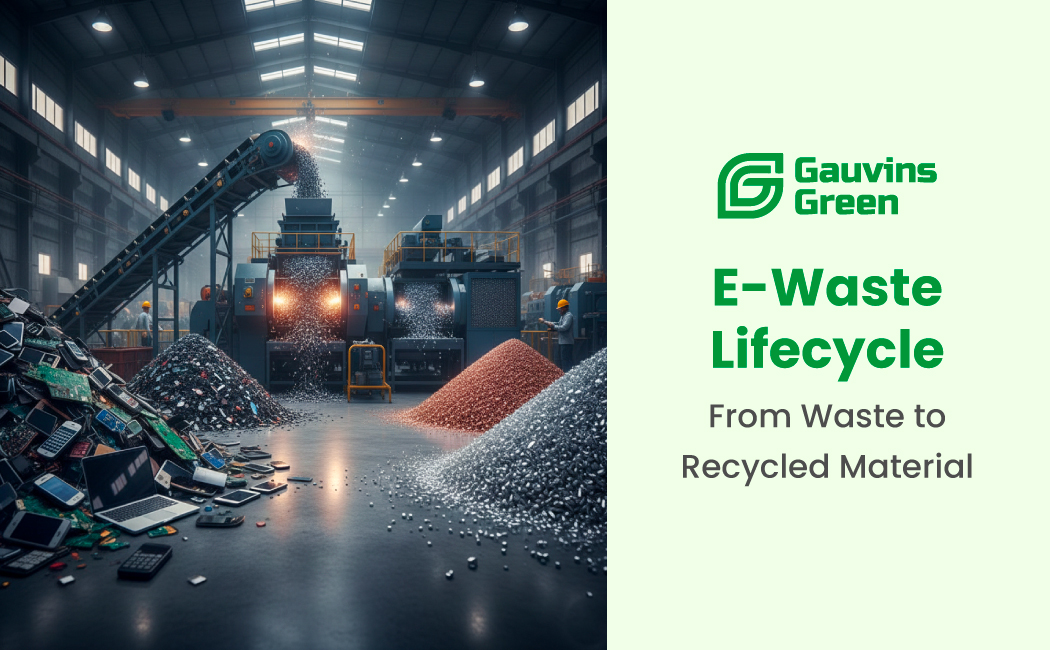
The E-waste lifecycle refers to the complete path an electronic device follows after it reaches the end of its usable life. This includes collection, transportation, sorting, dismantling, material recovery, and eventually transforming old components into valuable recycled materials. Each stage is designed to reduce environmental pollution, conserve resources, and prevent harmful waste from ending up in landfills.
Collection of E-Waste
The lifecycle begins when individuals, businesses, and organisations discard their old devices. Collection systems include drop-off centers, recycling bins, buy-back programmes, and authorised recycling partners. Proper collection is important because it ensures the waste reaches certified recyclers instead of informal scrap dealers who may dispose of electronics unsafely.
Transportation to Recycling Facilities
Once the electronic waste is collected, it is transported to licensed recycling facilities. These facilities follow safety guidelines to avoid contamination, damage, or exposure to toxic substances. Proper transportation helps maintain compliance and ensures responsible handling throughout the recycling process.
Sorting and Categorization
At the recycling centre, e-waste is sorted based on type. Computers, printers, phones, batteries, and household electronics are separated because each category requires a different recycling method. Sorting ensures efficiency, improves material recovery, and prevents dangerous mixing of toxic components.
Safe Data Destruction
Before dismantling, recyclers remove all personal data from devices. Hard drives are wiped or physically shredded to protect user information. This step is essential for businesses and individuals who want complete confidentiality along with environmentally safe disposal.
Manual and Mechanical Dismantling
Next, skilled technicians dismantle devices by hand or using mechanical tools. Components such as circuit boards, casings, screens, wires, and batteries are separated. Manual dismantling allows safe handling of delicate parts, while mechanical dismantling speeds up the process for bulk waste.
Material Separation
After dismantling, materials go through separation processes. Advanced techniques like magnetic separation, eddy current separation, water-based separation, and optical sorting help extract metals, plastics, and glass. Toxic items like mercury bulbs or lithium batteries are handled with special care to prevent environmental harm.
Material Recovery
This stage turns waste into new value. Recyclers recover materials such as copper, gold, silver, aluminum, iron, plastic resins, and reusable glass. These recovered materials become raw inputs for new manufacturing. This reduces the need for mining and helps preserve natural resources.
Refining and Reprocessing
Recovered materials are then sent to specialized refineries. Metals are melted and purified, plastics are shredded and pelletized, and glass is crushed for reuse. These refined materials achieve high purity levels, making them suitable for industries like electronics, automotive, construction, and packaging.
Manufacturing New Products
The final stage of the E-waste lifecycle is transformation. Recovered materials become part of new electronic devices, appliances, industrial products, and everyday consumer goods. This is how the cycle continues, reducing overall waste and supporting a circular economy where materials stay in use for as long as possible.
Why Understanding the E-Waste Lifecycle Matters
The lifecycle of e-waste is more than a recycling process. It is a sustainable model that protects the planet and encourages responsible consumption. Understanding this lifecycle helps individuals and companies make better decisions when disposing of old electronics. It also supports ethical recycling practices, reduces pollution, and saves energy and resources.
Environmental Benefits of a Strong Recycling Lifecycle
A proper E-waste lifecycle offers several environmental benefits:
- Reduces toxic waste in landfills
- Conserves metals and minerals
- Lowers carbon emissions from manufacturing
- Saves energy by reusing recovered materials
- Prevents soil and water contamination
These benefits show how recycling helps create long-term environmental stability.
How Consumers Can Support the E-Waste Lifecycle
Everyone plays a role in making the cycle effective. Here are a few simple steps:
- Dispose of old electronics through certified recyclers
- Avoid throwing devices in regular waste bins
- Choose brands that support sustainable manufacturing
- Repair devices whenever possible
- Donate working gadgets instead of discarding them
Small decisions create large impacts when millions participate.
Final Thoughts
The E-waste lifecycle is a vital system that transforms waste into valuable resources. From collection to reprocessing, each stage reduces environmental damage and strengthens the circular economy. By choosing responsible disposal methods, individuals and businesses can support a cleaner future. Understanding this lifecycle empowers us to make better choices, protect natural resources, and reduce global waste. Every recycled device is a step toward a healthier planet.