
|
Getting your Trinity Audio player ready...
|
In 2026, households around the world will rely more on electronic devices than ever before. Smartphones, laptops, smart TVs, kitchen appliances, and home automation systems have become part of everyday life. However, while technology improves convenience and connectivity, it also creates a growing problem: electronic waste, commonly known as e-waste.
Many households replace devices frequently without realizing the environmental impact of improper disposal. Old electronics often contain hazardous materials that can harm soil, water, and air if thrown in regular trash. At the same time, these devices also contain valuable materials that can be recovered through proper recycling. Understanding the facts about e-waste helps households make responsible decisions that protect both the environment and public health.
Table of Contents
Toggle1. E-Waste Is One of the Fastest-Growing Waste Streams
Electronic waste is now one of the fastest-growing waste categories globally. Each year, millions of tons of electronics are discarded as people upgrade devices more frequently. The rapid pace of technological innovation means products become outdated quickly, encouraging replacement instead of repair.
For households, this trend often results in unused gadgets piling up in drawers, closets, or storage areas. While these devices may appear harmless, they eventually become waste if not recycled responsibly. Recognizing the scale of the problem is the first step toward responsible e-waste management.
2. Many Household Items Are Considered E-Waste
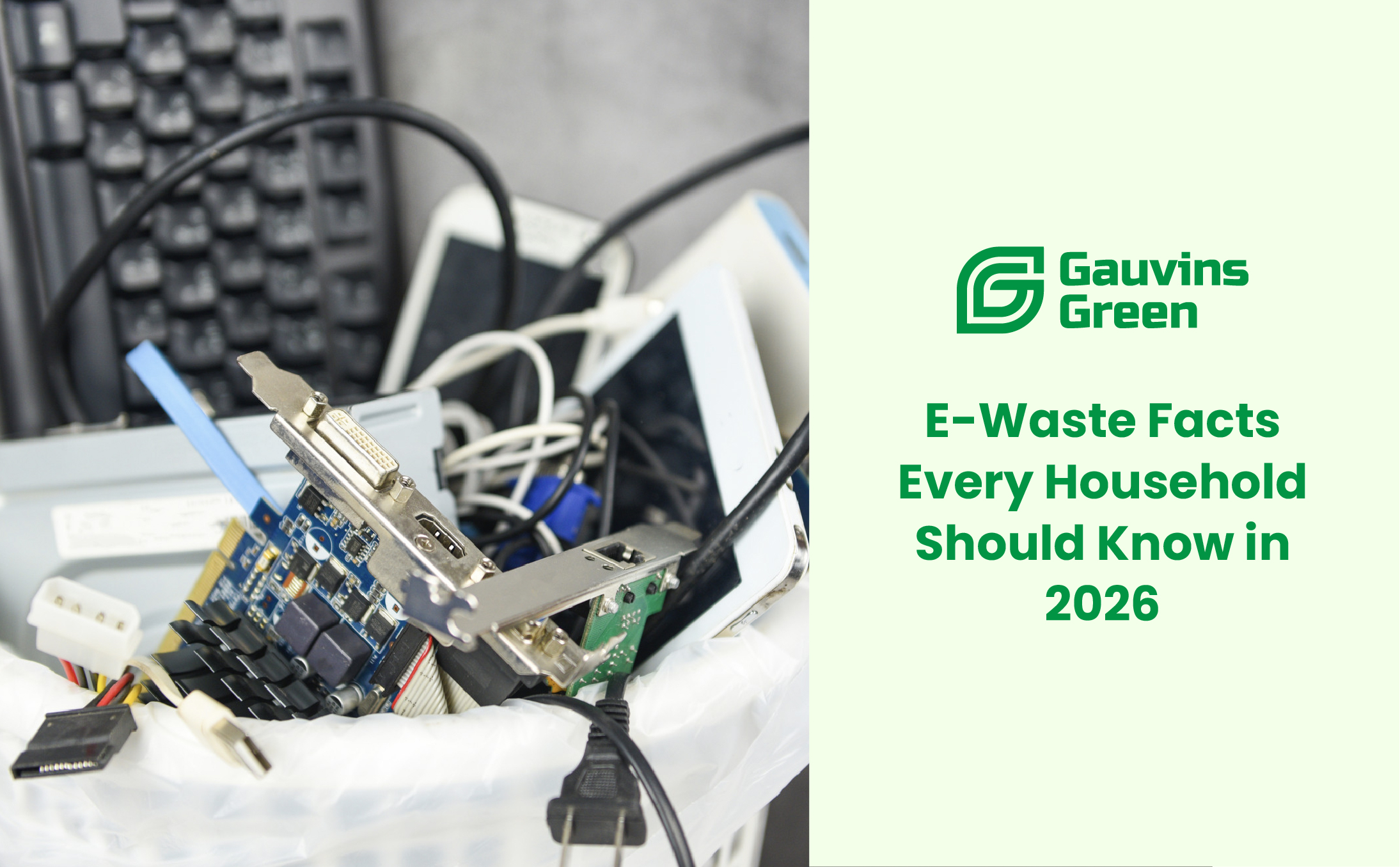
When people think of e-waste, they usually imagine computers and mobile phones. However, many everyday household items also fall under the category of electronic waste. These include televisions, routers, printers, microwaves, washing machines, electric kettles, and even small gadgets like headphones or power banks.
Because these items are so common, households often forget they require special disposal methods. Throwing them in regular garbage can lead to improper handling and environmental contamination. Proper awareness helps families identify which items should be recycled through certified e-waste channels.
3. E-Waste Contains Materials
One of the most important facts about electronic waste is that it contains harmful substances. Components inside electronic devices may include lead, mercury, cadmium, and other toxic materials. If electronics are dumped in landfills or burned, these substances can leak into the environment.
For example, when toxic materials enter soil or water sources, they can harm wildlife and eventually affect human health. Children and waste workers are particularly vulnerable to these risks. Responsible e-waste recycling prevents these dangerous chemicals from polluting ecosystems.
4. Electronics Also Contain Valuable Resources
Although e-waste contains hazardous elements, it also includes valuable materials. Many electronic devices contain metals such as copper, aluminum, silver, and even small amounts of gold. These materials can be recovered and reused through proper recycling processes.
Recovering resources from discarded electronics reduces the need for mining new materials from the earth. Mining often causes environmental damage, including deforestation and water pollution. Therefore, recycling electronic waste helps conserve natural resources while reducing environmental impact.
5. Most E-Waste Can Be Recycled
A surprising fact many households do not realise is that a large portion of electronic waste can be recycled. Components such as metals, plastics, and glass can be processed and reused in the manufacturing of new products.
However, recycling is only possible when electronics are collected and processed through authorised facilities. When devices are mixed with general waste, recycling becomes difficult or impossible. This is why proper e-waste management systems are essential for maximising ouresrce recovery.
6. Data Security Is Important When Disposing Electronics
Many electronic devices store personal information. Smartphones, laptops, tablets, and even smart home devices may contain private data such as photos, financial records, or login credentials. If these devices are disposed of without proper data removal, personal information could be exposed.
Before recycling electronics, households should always back up important files and perform a factory reset or data wipe. Responsible recycling services also ensure secure handling of devices. Taking these steps protects both the environment and personal privacy.
7. Storing Old Electronics at Home Is Not a Long-Term Solution
Many households keep old devices simply because they are unsure how to dispose of them. While storing electronics may seem harmless, it only delays proper recycling. Over time, unused devices accumulate and create clutter.
In addition, stored electronics still contain materials that could be recovered and reused. By recycling them instead of storing them indefinitely, households contribute to better resource management and environmental protection.
8. Proper E-Waste Management Reduces Pollution
When electronics are recycled through certified processes, harmful materials are handled safely and valuable components are recovered. This reduces the amount of waste entering landfills and prevents toxic substances from contaminating the environment.
Effective e-waste management also helps reduce air pollution caused by burning electronic components. By supporting responsible recycling programs, households play an important role in protecting the environment and supporting sustainable waste solutions.
9. Household Awareness Can Drive Environmental Change
One of the most powerful ways to address the e-waste problem is through awareness. When households understand the impact of electronic waste, they are more likely to adopt responsible habits such as repairing devices, donating usable electronics, and recycling old gadgets.
Community awareness also encourages local recycling programs and government initiatives. As more households participate in e-waste recycling, the overall efficiency of waste management systems improves, creating a positive environmental impact.
10. Small Actions at Home Make a Big Difference
Although the global e-waste challenge may seem overwhelming, individual household actions can make a significant difference. Recycling old electronics, extending the lifespan of devices, and choosing sustainable products are simple steps that reduce electronic waste.
When millions of households adopt these practices, the cumulative impact becomes substantial. Responsible disposal ensures that electronic waste is treated as a resource rather than a burden.
Building Responsible Households in 2026
As technology continues to evolve, electronic waste will remain a growing challenge. However, with better awareness and responsible practices, households can play a key role in solving this problem. Understanding the facts about e-waste helps families make smarter decisions about how they buy, use, and dispose of electronics.
By supporting proper e-waste recycling and management systems, households help conserve resources, reduce pollution, and protect the environment for future generations. In 2026 and beyond, responsible electronic disposal is not just a choiceit is a responsibility that every household should embrace.