
Waste Recycling is a powerful tool for building India’s green future by reducing pollution and conserving resources. Through effective e-waste recycling and strong waste managment, waste can be transformed into valuable resources instead of environmental hazards. By adopting responsible recycling practices, individuals and businesses can contribute to sustainability, support a circular economy, and create a cleaner, greener India.
A Greener Future Starts with Waste Recycling
India is moving rapidly toward urbanization and industrial growth, but this progress also brings a major challenge—waste generation. From households to large industries, waste is increasing at an alarming rate. This is where Waste Recycling becomes a powerful solution for building a sustainable future.
By adopting structured practices like e-waste recycling and effective waste managment, India can reduce environmental damage and create long-term ecological balance. Recycling is no longer just an option; it is a necessity for a greener tomorrow.
Understanding the Growing Waste Challenge in India
India generates millions of tons of waste every year, including plastic, organic waste, and electronic waste. Among these, electronic waste is growing the fastest due to rapid technological advancements. Without proper Waste Recycling, this waste can lead to severe environmental and health issues.
Improving waste managment systems is essential to handle this growing problem. By integrating e-waste recycling into daily practices, India can manage waste more effectively and reduce its impact on the environment.
The Role of Waste Recycling in Reducing Pollution
One of the biggest benefits of Waste Recycling is its ability to reduce pollution. When waste is dumped in landfills, it releases harmful gases and chemicals that contaminate air, water, and soil.
Through proper e-waste recycling and improved waste managment, harmful substances are treated safely, preventing environmental damage. Recycling ensures that waste materials are reused instead of being discarded, significantly lowering pollution levels.
Conserving Natural Resources Through Recycling
India heavily depends on natural resources for manufacturing and development. However, continuous extraction of raw materials is not sustainable in the long run. This is where Waste Recycling plays a crucial role.
By adopting e-waste recycling, valuable materials like metals and plastics can be recovered and reused. Efficient waste managment ensures that these resources are circulated back into the economy, reducing the need for new raw materials and conserving natural reserves.
Strengthening India’s Circular Economy
A circular economy focuses on reducing waste and reusing resources to create a sustainable system. Waste Recycling is at the core of this concept. It ensures that materials are continuously reused rather than being discarded.
With strong e-waste recycling systems and improved waste managment, India can move toward a circular economy. This not only reduces waste but also creates new economic opportunities in recycling industries and green jobs.
Business and Economic Benefits of Waste Recycling
Waste Recycling offers significant benefits for businesses and the economy. Companies that adopt structured recycling practices can reduce operational costs and improve efficiency. At the same time, they can meet environmental regulations and enhance their brand reputation.
Through proper e-waste recycling and responsible waste managment, businesses can position themselves as sustainable and forward-thinking organizations. This not only builds trust but also contributes to India’s overall green growth.
Building Awareness and Responsibility
For Waste Recycling to truly make an impact, awareness and participation are essential. Individuals, businesses, and governments must work together to promote responsible waste handling practices.
Encouraging e-waste recycling and strengthening waste managment systems can create a culture of sustainability. Small actions, when multiplied across millions of people, can lead to significant environmental improvements.
A Sustainable Path Forward
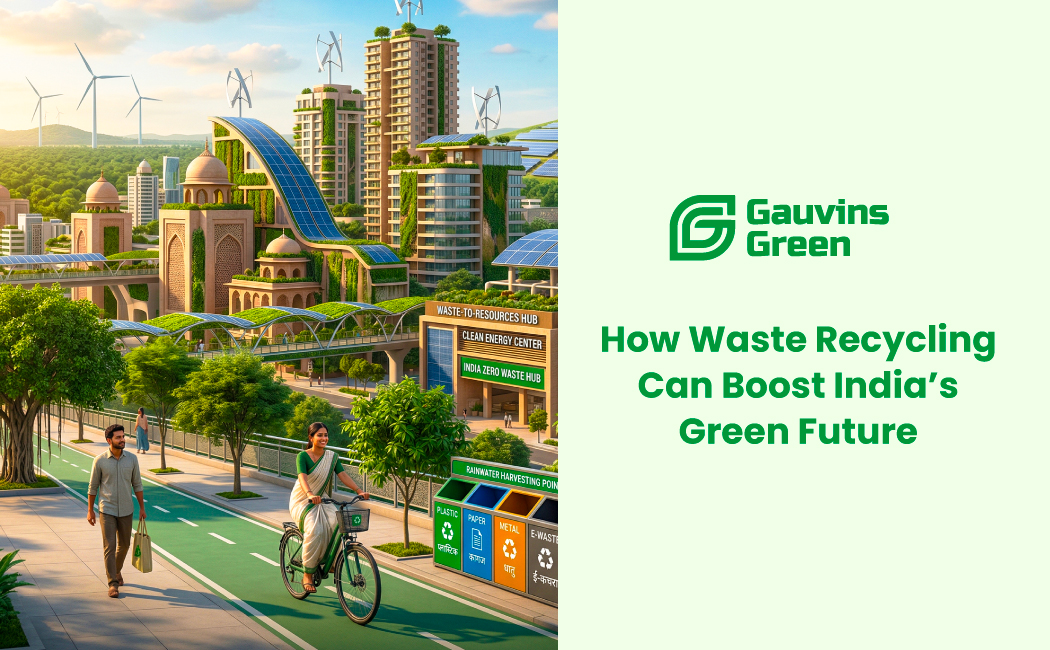
India’s green future depends on how effectively it manages waste today. Waste Recycling is a key solution that helps reduce pollution, conserve resources, and support sustainable development.
By embracing e-waste recycling and improving waste managment, India can take strong steps toward a cleaner and healthier environment. The journey to sustainability begins with responsible recycling practices and a commitment to protecting our planet.
FAQs
What is Waste Recycling?
Waste Recycling is the process of converting waste materials into reusable resources to reduce pollution and conserve natural resources.
Why is e-waste recycling important in India?
E-waste recycling helps manage the growing volume of electronic waste and prevents environmental damage.
How does waste managment support sustainability?
Effective waste managment ensures proper handling, recycling, and disposal of waste, reducing environmental impact.
What role does Waste Recycling play in reducing pollution?
Waste Recycling prevents harmful substances from entering the environment by reusing materials instead of dumping them.
Can businesses benefit from Waste Recycling?
Yes, businesses can reduce costs, improve compliance, and enhance their brand image through Waste Recycling and proper waste managment.