
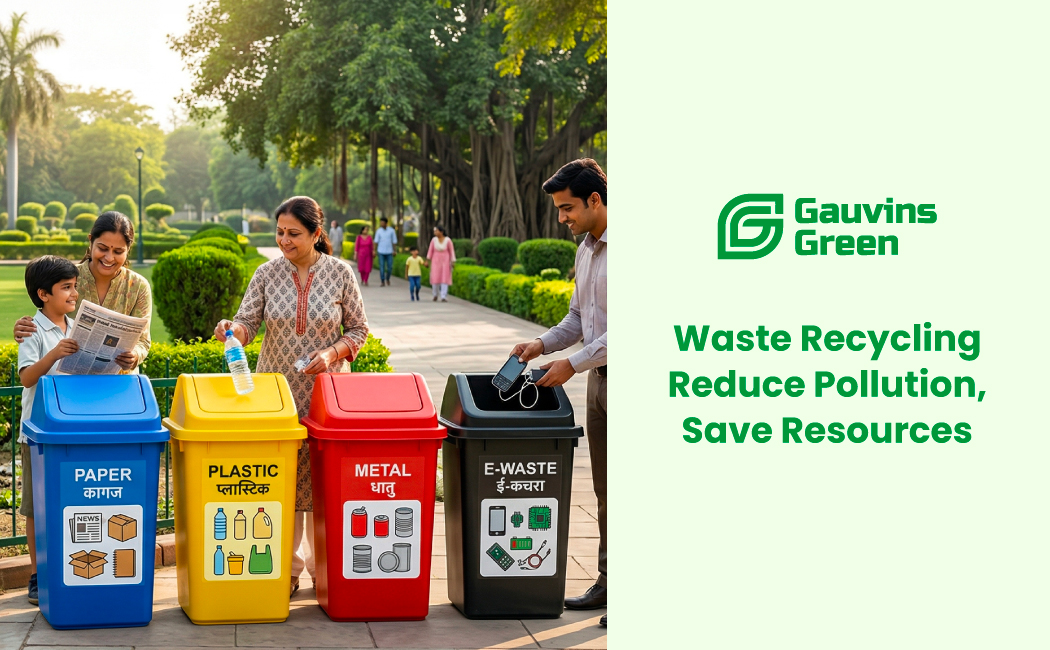
In today’s fast-growing world, waste generation has become a major challenge. From households to industries, the amount of discarded material is increasing rapidly. Among all types of waste, electronic waste is one of the most harmful if not managed properly. This is where waste recycling plays a vital role in protecting the environment.
By adopting responsible practices like e-waste recycling, we can reduce pollution and conserve valuable resources. Effective e-waste management not only disposes of waste but also transforms it into useful materials, thereby supporting a sustainable future.
Understanding Electronic Waste and Its Impact
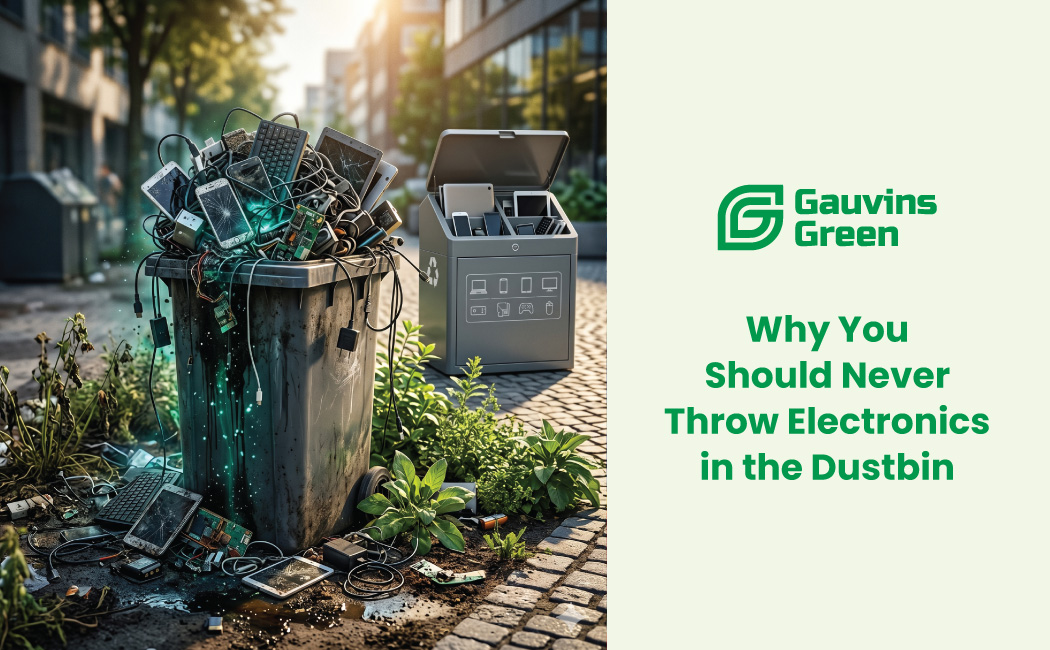
Electronic waste includes devices such as computers, mobile phones, televisions, and other electronic equipment that are no longer in use. These items often contain hazardous substances like lead, mercury, and harmful chemicals that can damage ecosystems.
Without proper e-waste recycling, this waste ends up in landfills, causing soil and water contamination. That is why structured e-waste management is essential to handle these materials safely and responsibly while minimizing environmental impact.
How Waste Recycling Reduces Pollution
One of the major benefits of waste recycling is its ability to reduce pollution. When waste is recycled instead of being dumped, it prevents harmful substances from entering the environment. This is especially important in the case of electronic waste, which contains toxic components.
Through proper e-waste recycling, hazardous materials are treated safely, and reusable components are recovered. This reduces air, water, and soil pollution, making recycling a key solution for environmental protection.
Saving Natural Resources Through Recycling
Another major advantage of waste recycling is resource conservation. Many materials found in electronic waste, such as copper, aluminium, and plastics, can be reused in manufacturing.
By practising e-waste recycling, industries can reduce the need for extracting new raw materials. Effective e-waste management guarantees the recovery and reuse of these valuable resources, thereby fostering a circular economy and alleviating environmental strain.
The Role of E-Waste Management in Sustainability
E-waste management is not just about disposal; it is about creating a sustainable system where waste is minimised and resources are reused. Properly handling electronic waste controls harmful materials and recycles useful components.
With structured e-waste recycling, businesses and individuals can contribute to sustainability goals. Responsible waste recycling practices help reduce environmental damage and promote long-term ecological balance.
Benefits of Adopting Waste Recycling Practices
Adopting waste recycling offers multiple benefits for both individuals and businesses. It reduces landfill waste, lowers pollution levels, and conserves energy. At the same time, proper e-waste management ensures compliance with environmental regulations.
Through e-waste recycling, organizations can enhance their sustainability efforts and build a positive brand image. Managing electronic waste responsibly is not just an environmental necessity but also a smart business decision.
Building a Cleaner Future with Waste Recycling
The future depends on how effectively we manage waste today. By focusing on waste recycling, we can significantly reduce pollution and preserve natural resources.
With increasing awareness about e-waste recycling and improved e-waste management systems, individuals and businesses can take meaningful steps toward sustainability. Proper handling of electronic waste ensures a cleaner environment and a healthier planet for future generations.
Waste is not just something to discard it is a resource waiting to be reused. Through effective waste recycling, we can reduce pollution, conserve valuable materials, and support environmental sustainability.
By adopting responsible e-waste recycling and structured e-waste management,
FAQs
What is waste recycling?
Waste recycling is the process of converting waste materials into reusable resources to reduce pollution and conserve materials.
Why is e-waste recycling important?
E-waste recycling helps recover valuable materials and prevents harmful substances from polluting the environment.
What is electronic waste?
Electronic waste includes discarded electronic devices such as phones, computers, and appliances.
How does e-waste management help the environment?
E-waste management reduces pollution, conserves resources, and ensures safe disposal of hazardous materials.
Can businesses benefit from waste recycling?
Yes, businesses can improve sustainability, reduce costs, and enhance brand reputation through waste recycling and e-waste management.