
In today’s technology-driven world, we constantly upgrade and replace electronic devices. While this brings convenience and innovation, it also leads to a growing pile of discarded electronics. This is where e-waste management becomes essential. Instead of treating old devices as waste, we can transform them into valuable resources through responsible practices.
With effective e-waste recycling, businesses and individuals can reduce environmental harm while contributing to a sustainable future. Managing electronic waste properly is not just about disposal; it is about creating value from what was once considered useless.
What Is E-Waste Management and Why It Matters
‘E-waste management’ refers to the systematic process of collecting, handling, recycling, and safely disposing of electronic waste. This includes devices such as computers, mobile phones, printers, televisions, and other electronic equipment. These items often contain both reusable materials and hazardous substances.
Without proper e-waste recycling, harmful chemicals like lead and mercury can contaminate the environment. At the same time, valuable materials such as copper, aluminium, and precious metals are lost. This makes e-waste management a critical solution for protecting the environment and conserving natural resources.
The Hidden Value Inside Electronic Waste
Many people are unaware that old electronics are a rich source of reusable materials. Every device contains metals, plastics, and components that manufacturers can recover and reuse. Through efficient e-waste management, these materials are extracted and reintroduced into the production cycle.
E-waste recycling helps reduce the need for mining raw materials, which in turn lowers environmental impact. By transforming discarded electronics into reusable resources, e-waste management supports a circular economy where nothing goes to waste.
How E-Waste Recycling Transforms Old Devices
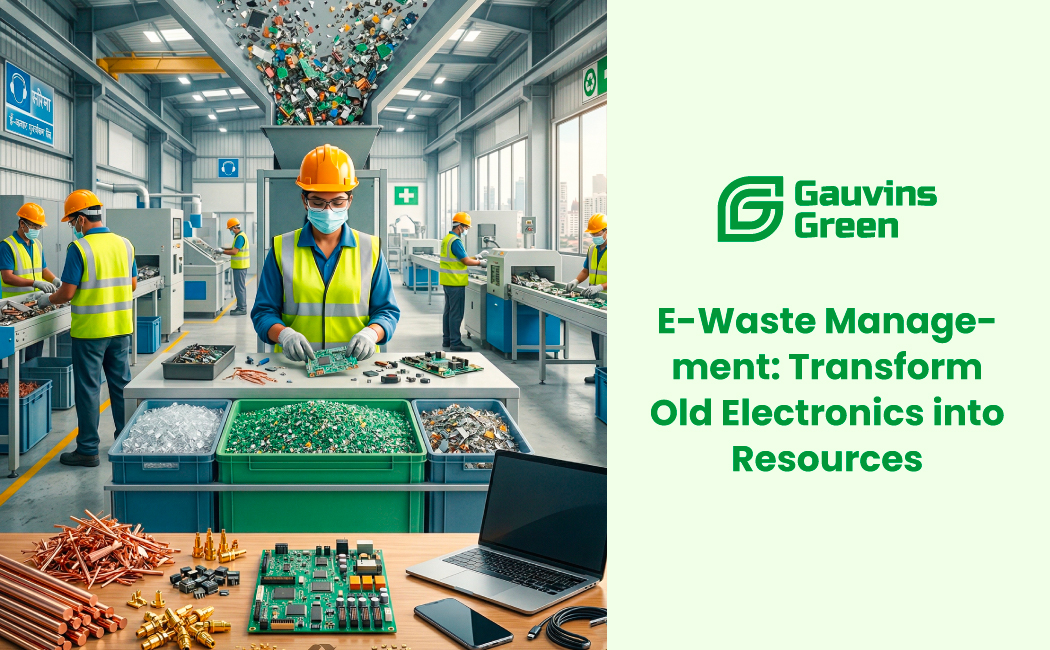
The process of e-waste recycling involves several important stages, including collection, sorting, dismantling, and material recovery. Each stage ensures that electronic waste is handled safely and efficiently. Devices are carefully broken down into components so that valuable materials can be separated and reused.
Through structured e-waste management, hazardous substances are treated and disposed of responsibly, preventing environmental damage. This transformation process reduces waste and creates new opportunities for resource recovery and sustainable manufacturing.
Environmental Benefits of E-Waste Management
One of the biggest advantages of e-waste management is its positive impact on the environment. Proper handling of electronic waste prevents harmful toxins from entering soil, air, and water. This helps protect ecosystems and public health.
At the same time, e-waste recycling reduces greenhouse gas emissions by lowering the need for raw material extraction and manufacturing. By adopting responsible e-waste management practices, individuals and businesses can significantly reduce their environmental footprint.
Business Advantages of Responsible E-Waste Practices
For businesses, e-waste management is not just about environmental responsibility it also offers strategic benefits. Companies that adopt structured e-waste recycling practices can improve compliance with environmental regulations and avoid potential penalties.
Additionally, responsible e-waste management enhances brand reputation and builds trust with customers and stakeholders. By demonstrating a commitment to sustainability, businesses can position themselves as environmentally conscious leaders in their industry.
Building a Sustainable Future Through E-Waste Management
The future of sustainability depends on how we manage our resources today. e-waste management plays a vital role in reducing waste, conserving materials, and promoting environmental responsibility. We can turn electronic waste into a useful resource by using modern recycling methods.
Through consistent e-waste recycling, individuals and organisations can contribute to a cleaner and greener planet. Every device recycled responsibly is a step toward a sustainable future where waste is minimised and resources are maximised.
From Waste to Resource
Electronic waste is no longer just a problem it is an opportunity. Proper e-waste management can transform old electronics into valuable resources that support sustainability and economic growth.
By adopting responsible e-waste recycling practices, we can reduce environmental impact, conserve natural resources, and build a better future. The shift from waste to resource begins with awareness and action, making e-waste management a key driver of change in today’s world.
FAQs
What is E-Waste Management?
E-waste management is the process of collecting, recycling, and safely disposing of electronic waste to reduce environmental harm.
Why is e-waste recycling important?
E-waste recycling helps recover valuable materials and prevents toxic substances from damaging the environment.
What types of devices are included in e-waste management?
Devices like computers, mobile phones, printers, televisions, and other electronics are part of E-Waste Management.
How does E-Waste Management help the environment?
It reduces pollution, conserves natural resources, and prevents hazardous materials from entering ecosystems.
Can businesses benefit from e-waste management?
Yes, businesses improve compliance, enhance brand reputation, and support sustainability through proper e-waste management.