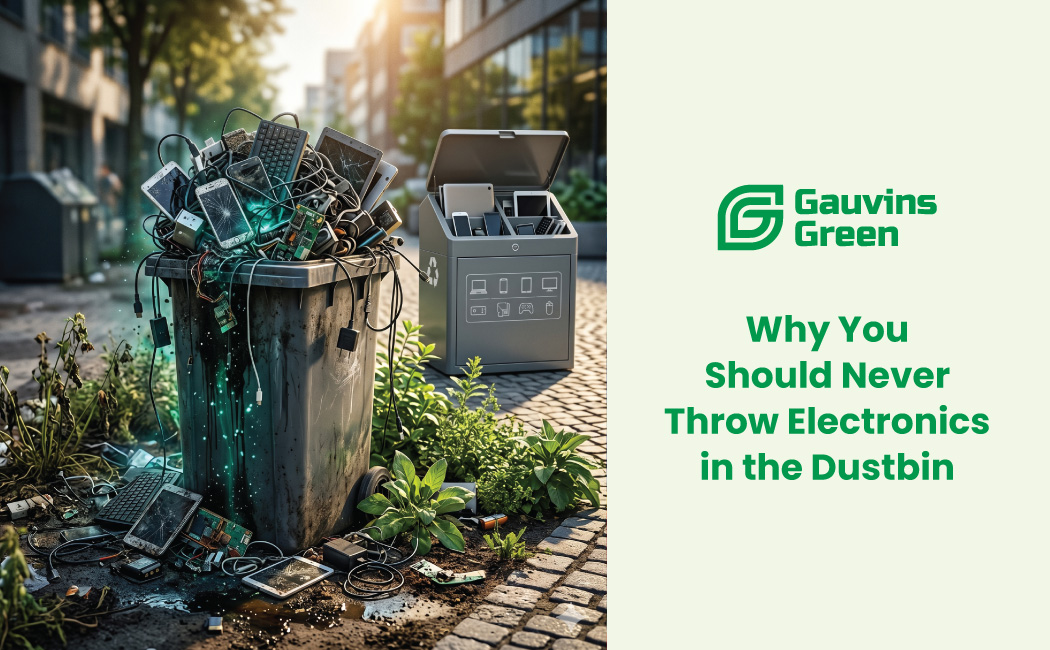

India is rapidly advancing in technology, and with this growth comes an increasing volume of discarded electronic devices. From offices to households, outdated gadgets are generated daily. Without proper e-waste recycling, these devices can cause serious environmental and health hazards due to the presence of toxic substances.
Today, structured e-waste management has become essential for responsible disposal. With the support of professional e-waste service providers and convenient door to door service, managing electronic waste has become easier and more efficient. Understanding how the e-waste recycling process works helps individuals and businesses make better decisions for sustainability.
Collection and Pickup of Electronic Waste
The process of e-waste recycling begins with the collection of electronic waste from homes, offices, and industries. Many businesses and individuals rely on certified e-waste service providers who offer reliable collection systems to ensure proper handling of discarded electronics.
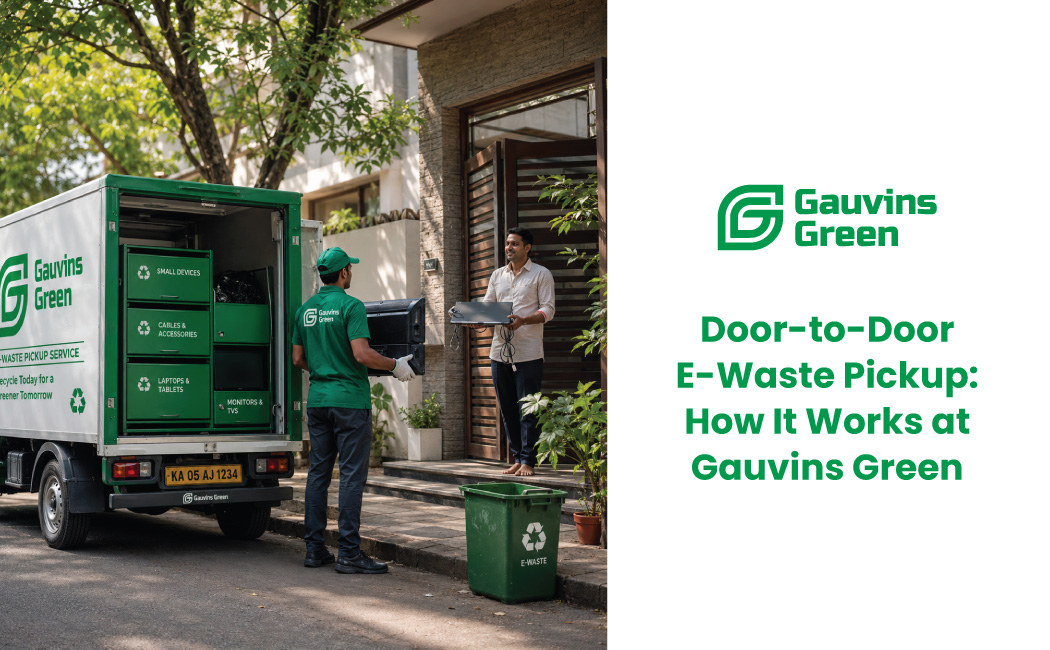
One of the most convenient methods is door-to-door service, which allows waste to be collected directly from the source. This not only saves time but also ensures that electronic waste is directed toward authorised recycling channels. Efficient collection plays a vital role in strengthening e-waste management practices across India.
Safe Transportation to Recycling Facilities
After collection, electronic waste is transported to authorised recycling facilities. Proper transportation is essential to maintain the integrity of the materials and prevent environmental contamination. Professional e-waste service providers follow strict safety guidelines to ensure secure handling throughout the journey.
This stage of e-waste recycling ensures that all collected devices reach certified facilities where they can be processed responsibly. A well-managed transportation system supports effective e-waste management and ensures compliance with environmental regulations.
Sorting and Segregation of E-Waste Materials
At the recycling facility, electronic waste is carefully sorted and segregated based on its type and material composition. This stage is crucial for identifying reusable components and separating hazardous materials for safe handling.
Through proper sorting, the efficiency of e-waste recycling increases significantly. Valuable materials can be recovered more effectively, while harmful components are managed safely. This structured approach enhances overall e-waste management and reduces environmental risks.
Dismantling and Secure Data Handling
Once sorted, electronic devices are dismantled into smaller components such as circuit boards, plastics, metals, and batteries. For businesses, this stage is particularly important because it includes secure data destruction to prevent information misuse.
Professional e-waste service providers ensure that all data is permanently erased before recycling begins. This ensures that organizations can rely on e-waste recycling without worrying about data breaches. Secure dismantling is a key aspect of responsible e-waste management.
Recycling and Resource Recovery
After dismantling, the individual components are processed for recycling. Metals such as copper and aluminium are extracted, while plastics are treated using specialized recycling methods. These materials are then reused in manufacturing new products.
This phase of e-waste recycling plays a major role in conserving natural resources. By recovering valuable materials, industries reduce the need for raw material extraction. Efficient e-waste management supports a circular economy where resources are reused instead of wasted.
Environmentally Safe Disposal Practices
Not all materials can be recycled, and some components require safe disposal. Authorized recycling facilities ensure that non-recyclable waste is handled according to environmental guidelines to prevent pollution.
This final stage of E-Waste Recycling ensures that harmful substances do not enter the environment. Proper disposal strengthens e-waste management systems and contributes to long-term environmental protection. With reliable e-waste service and door-to-door service, businesses and individuals can ensure complete and safe waste handling.
Moving Towards Responsible E-Waste Management
The e-waste recycling process in India is designed to manage electronic waste in a safe, structured, and sustainable way. From collection to recycling and disposal, each stage plays a critical role in protecting the environment and conserving resources.
By adopting professional e-waste management practices and choosing certified e-waste service providers offering door to door service, businesses and households can simplify the recycling process. Responsible recycling is essential for building a cleaner, greener, and more sustainable future.