
Technology powers modern life. From smartphones and laptops to servers and smart appliances, electronic devices drive communication, productivity, and innovation. However, the rapid pace of technological upgrades has also created a growing challenge—electronic waste. Without proper e-waste recycling, discarded electronics can harm the environment and waste valuable resources.
Fortunately, responsible e-waste management offers a powerful solution. By recycling and recovering materials from old electronics, industries and communities can reduce pollution while conserving natural resources. In fact, when handled correctly, electronic waste becomes an opportunity to support a more sustainable and circular economy.
1. Understanding the Growing Challenge of Electronic Waste
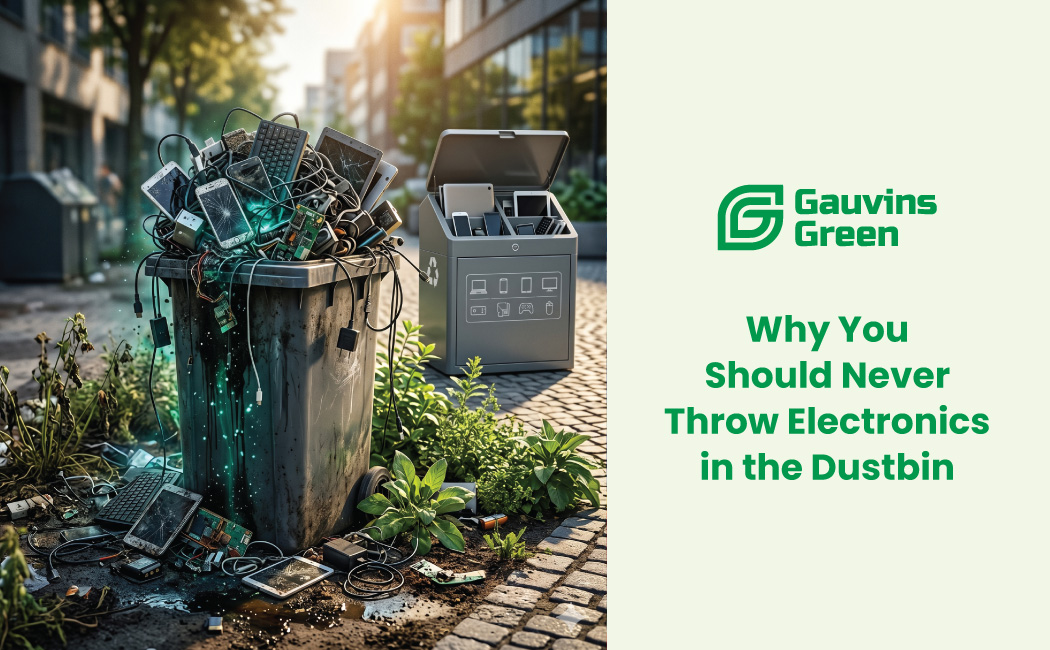
Electronic waste is one of the fastest-growing waste streams in the world. Every year, millions of devices reach the end of their lifecycle due to upgrades, repairs, or changing technology demands. Unfortunately, many of these devices are thrown away without proper disposal.
When electronics are not processed through structured e-waste management, they often end up in landfills or informal recycling operations. As a result, harmful substances can leak into the soil, water, and air. Therefore, adopting responsible e-waste recycling practices has become essential for environmental protection and sustainable development.
2. The Hidden Value Inside Discarded Electronics
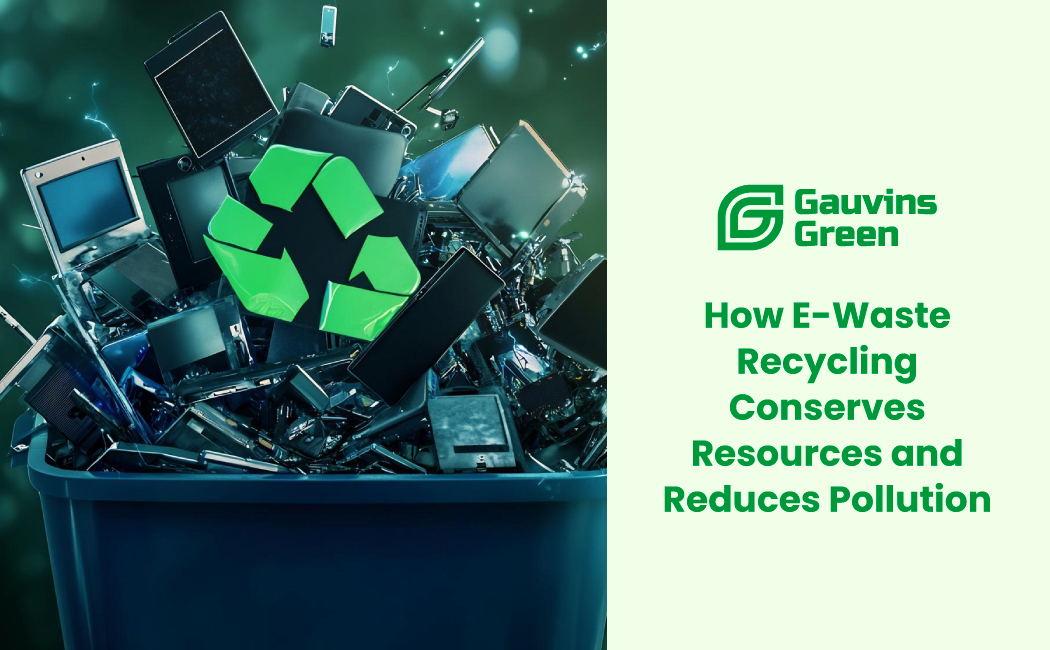
Although electronic waste may appear useless, it actually contains a variety of valuable materials. Devices such as smartphones, computers, and televisions contain metals like copper, aluminium, gold, and silver. Through proper e-waste recycling, these materials can be recovered and reused in manufacturing.
This recovery process significantly reduces the demand for new raw materials. Instead of mining additional resources from the earth, industries can rely on recycled components. As a result, effective e-waste management not only reduces waste but also conserves valuable natural resources.
3. Preventing Toxic Pollution Through Responsible Recycling
Electronics contain several hazardous substances, including lead, mercury, cadmium, and brominated flame retardants. When these materials are exposed to the environment through improper disposal, they can contaminate ecosystems and pose serious health risks.
However, structured e-waste recycling ensures that these substances are safely handled and processed. Certified recycling facilities follow environmental standards that prevent toxic leakage and pollution. Consequently, strong e-waste management systems play a crucial role in protecting both the environment and public health.
4. Reducing the Need for Resource-Intensive Mining
Mining natural resources is an energy-intensive process that significantly impacts ecosystems. Extracting metals from the earth requires large amounts of water, energy, and land disruption. Over time, this process contributes to deforestation, soil degradation, and greenhouse gas emissions.
Through e-waste recycling, industries can recover many of these same metals from discarded electronics. This approach reduces the need for mining activities and helps preserve natural landscapes. Therefore, effective e-waste management contributes directly to resource conservation and environmental sustainability.
5. Supporting the Circular Economy
Traditional economic systems follow a “take, make, and dispose” model. In contrast, a circular economy focuses on keeping materials in use for as long as possible. E-waste recycling plays a key role in this approach by transforming discarded devices into valuable resources.
When companies and consumers participate in responsible e-waste management, recovered materials re-enter manufacturing cycles. This process reduces waste generation and maximizes resource efficiency. As a result, recycling supports a sustainable production system where materials continuously circulate rather than being discarded.
6. Lowering Greenhouse Gas Emissions
Manufacturing new electronic components requires significant energy consumption. From mining raw materials to refining metals and producing components, each stage generates greenhouse gas emissions.
However, E-waste recycling significantly reduces the need for these energy-intensive processes. By reusing recovered materials, manufacturers consume less energy and emit fewer carbon emissions. Consequently, strong E-waste management strategies contribute to climate change mitigation and environmental protection.
7. Creating Economic Opportunities Through Recycling
Beyond environmental benefits, e-waste recycling also generates economic opportunities. Recycling facilities require skilled workers, advanced technology, and logistics operations. As the recycling industry grows, it creates new jobs and supports local economies.
Furthermore, recovered materials provide cost-effective alternatives for manufacturers. Instead of relying solely on imported or mined resources, businesses can use recycled metals. In this way, structured e-waste management supports both economic development and environmental sustainability.
8. Encouraging Responsible Consumer Behavior
Consumers also play an important role in sustainable e-waste management. When individuals choose to recycle their devices instead of discarding them, they contribute to resource conservation and pollution reduction.
Awareness campaigns and accessible recycling services encourage responsible behaviour. As more people participate in e-waste recycling, the overall efficiency of recycling systems improves. Consequently, collective action helps create a cleaner and more sustainable environment.
9. Strengthening Environmental Regulations and Compliance
Governments around the world are implementing stricter regulations for electronic waste disposal. These regulations aim to ensure that manufacturers, businesses, and consumers follow responsible e-waste management practices.
By adopting structured e-waste recycling programmes, organisations can comply with environmental laws while demonstrating corporate responsibility. Compliance not only prevents legal penalties but also enhances brand reputation and sustainability credibility.
10. Building a Cleaner and More Sustainable Future
Ultimately, e-waste recycling represents more than a waste disposal solution—it is a pathway to sustainability. By conserving natural resources, reducing pollution, and supporting circular production systems, recycling transforms the way society manages technology.
Through effective e-waste management, businesses, governments, and individuals can work together to reduce environmental impact. When electronic waste is treated as a resource rather than a burden, it becomes possible to build a cleaner and more sustainable future for generations to come.
Turning Electronic Waste into Environmental Opportunity
Electronic devices will continue to evolve, and the volume of discarded technology will keep increasing. However, with strong e-waste recycling systems and responsible e-waste management, society can transform this challenge into an opportunity.
By recovering valuable materials, preventing pollution, and supporting circular economies, recycling ensures that technology growth does not come at the cost of environmental health. Ultimately, responsible electronic waste practices are essential for protecting the planet while meeting the demands of the digital age.