
Electronic waste is growing faster in India than ever before. From smartphones and laptops to TVs, appliances, and batteries, millions of devices are being replaced every year. While technology improves our lives, the rising pile of e-waste in India has become a major environmental and health concern. Many people still don’t know what happens to their discarded electronics or how badly unregulated dumping affects the planet. This beginner-friendly guide explains why electronic waste in India is increasing so quickly and what we can do to manage it better.
The Rise of Digital India and Its Hidden Waste
India is becoming more digital every year. Affordable smartphones, cheaper data, online learning, and work-from-home culture have pushed millions of devices into homes and offices. This has improved connectivity, but it has also increased the amount of e-waste in India dramatically.
According to several reports, India is now one of the world’s largest producers of electronic waste. The main reason is simple people upgrade their devices more frequently than before. A phone that once lasted five years is now replaced within two. Laptops and home appliances are also discarded quickly as new models enter the market.
This trend is great for the tech industry but terrible for the environment because India still struggles with systematic e-waste management.
Shorter Gadget Lifespans: Why Devices Are Dying Faster
Most modern electronics are not designed to last long or be repaired easily. This leads to:
- Faster upgrades
- More frequent replacements
- Increasing piles of electronic waste India
Manufacturers also release new features every year, tempting consumers to switch devices quickly. This constant cycle fuels the e waste problem India, especially because old devices rarely end up in certified recycling centres.
Lack of Awareness About Safe Disposal
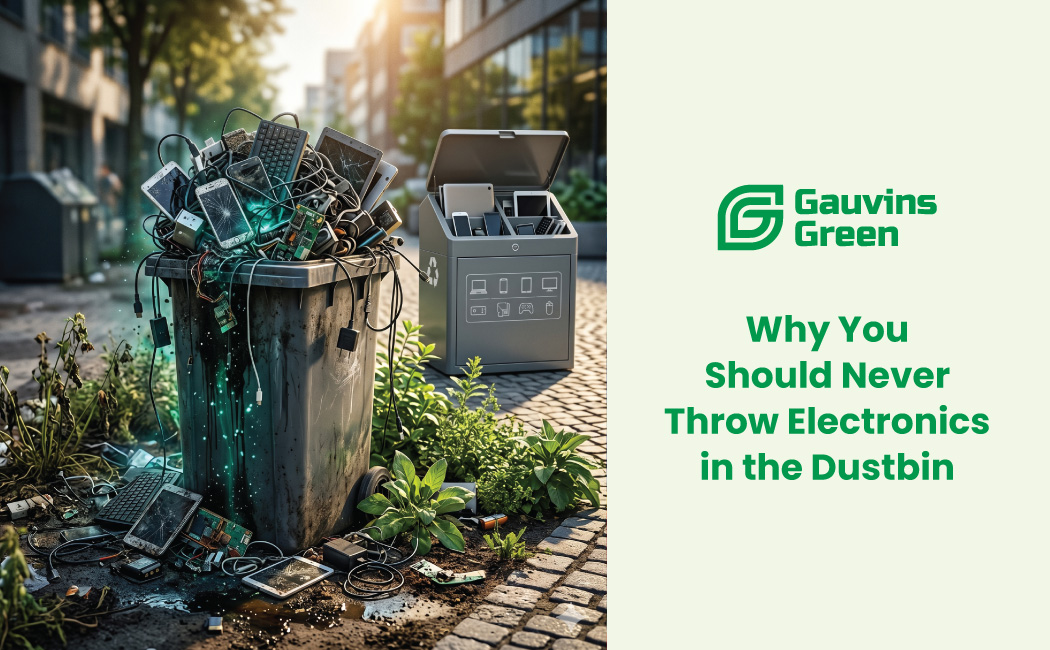
One major challenge is that most people simply don’t know how to dispose of e-waste safely. Many still throw old phones, chargers, and batteries into regular dustbins. Others keep piles of unused devices stored at home, unaware that they contain harmful elements like lead, mercury, and chemical batteries.
This lack of awareness is one of the biggest reasons e-waste in India keeps increasing. Without proper knowledge, people unintentionally contribute to pollution and health risks.
Informal Recycling Sector: A Double-Edged Sword
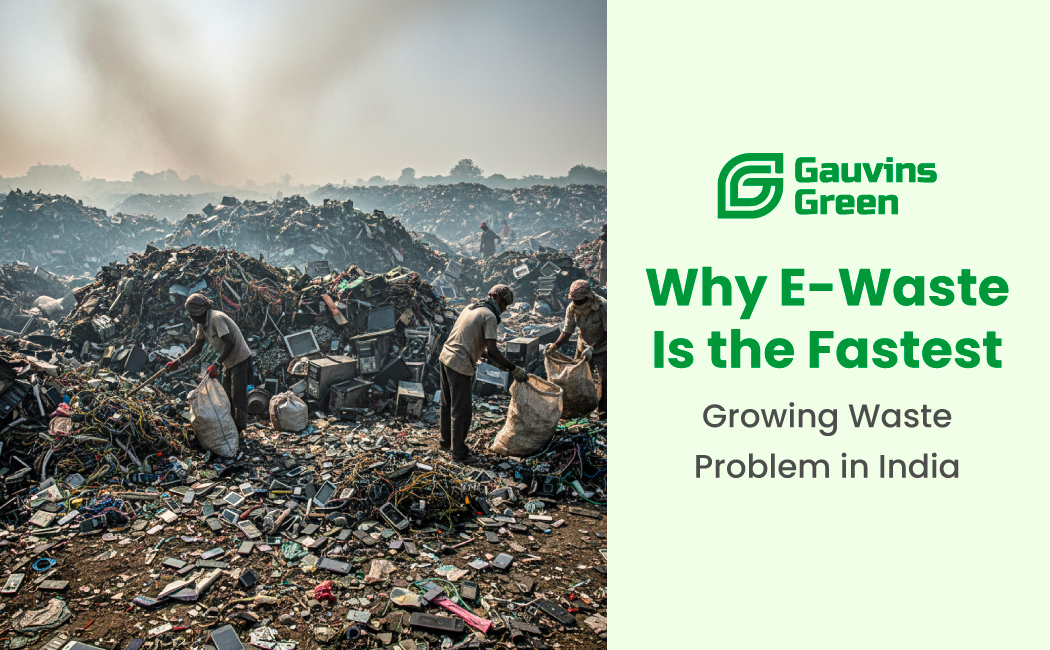
India has a huge informal recycling sector, scrap dealers, and backyard dismantlers. They collect and process a large portion of electronic waste India, but their methods are unsafe. They often burn wires to extract copper, break components by hand, or mix chemicals without protection. While this supports livelihoods, it also creates massive pollution.
The informal sector remains strong because:
- It pays people instantly for old devices
- It is easily accessible
- Many are unaware of certified recycling options
This worsens the e-waste problem India, because toxic fumes and chemicals directly harm workers and communities.
Slow Growth of Certified Recycling Systems
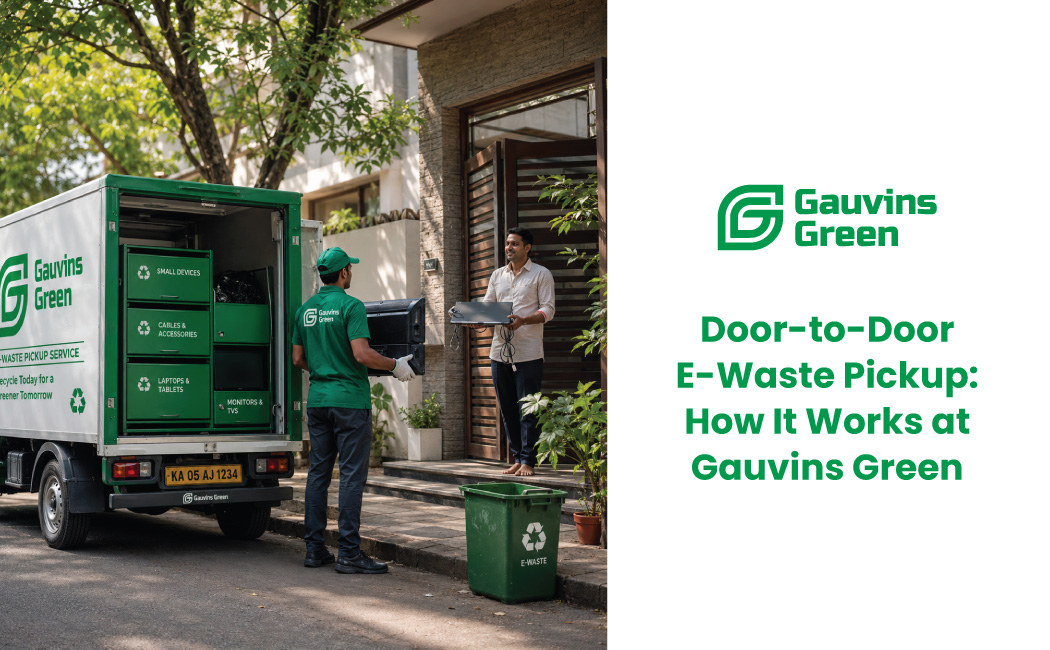
India does have rules for e-waste management, but the infrastructure is still catching up. Many cities do not have enough certified recycling centres. People often don’t know where to take their old electronics. Without convenient doorstep pickup, residents and businesses choose quicker but unsafe disposal options. This gap between regulation and accessibility is one of the core reasons the e-waste problem in India continues to grow.
7. Imported E-Waste Makes the Problem Bigger
India not only generates a lot of its own e-waste but also receives waste from other countries. Even though imports are restricted, some shipments enter illegally. This imported waste contains broken computers, damaged appliances and industrial scrap that require advanced recycling systems. Because India already has limited certified facilities, imported e-waste increases pressure on the existing system and adds to the health risks.
8. Toxic Effects That Make E-Waste a Serious Threat
E-waste contains dangerous substances. When dumped, burned or processed in unsafe ways, these materials pollute soil, water and air. People who handle this waste without protection often suffer from breathing problems, skin issues, nerve damage and long-term illnesses. Children in nearby communities are at even higher risk. This is why proper e-waste management in India is not just important for the environment—it is crucial for public health.
9. How India Can Solve the E-Waste Crisis
Although the problem is serious, India has the potential to control and correct its e-waste situation. The first step is to build better collection systems that offer doorstep pickup and accessible drop-off points. Awareness campaigns can help people understand why certified recycling is important. The informal sector can be supported through training and integration so that their work becomes safe and regulated. Stronger enforcement of EPR (Extended Producer Responsibility) will ensure that manufacturers take responsibility for the devices they sell. Increasing the number of authorised recyclers and encouraging people to recycle regularly can transform the way India deals with electronic waste.
10. Final Thoughts: Turning Waste Into Opportunity
The e-waste problem in India is growing quickly, but solutions are within reach. As India becomes more digital, safe electronic waste disposal must become a habit for individuals and businesses. When processed correctly, e-waste is not waste at all it contains metals, plastics and components that can be reused. With better systems, more recycling facilities and informed consumers, India can turn the fastest-growing waste problem into a powerful environmental success story. By choosing certified recyclers and understanding the importance of responsible disposal, we can move from pollution to progress.